
The Mobility 20/20 Method: 20 Minutes a Day That Transforms How You Move
Most people treat mobility like an afterthought — a few quick hip flexor stretches before a workout, if they bother at all. The result is the chronic tightness, restricted range of motion, and low-grade joint pain that most adults accept as inevitable by their late 30s.
The Mobility 20/20 Method challenges that resignation entirely: a structured 20-minute daily mobility routine that systematically addresses the seven most critical joints affected by modern sedentary life. The framework has spread through military fitness circles and online communities like r/flexibility and r/bodyweightfitness for one reason: it produces visible results within 30–60 days of consistent practice, without requiring yoga experience or specialized equipment.
This guide covers the science behind why it works, the exact routine, and how to build it into any training schedule.
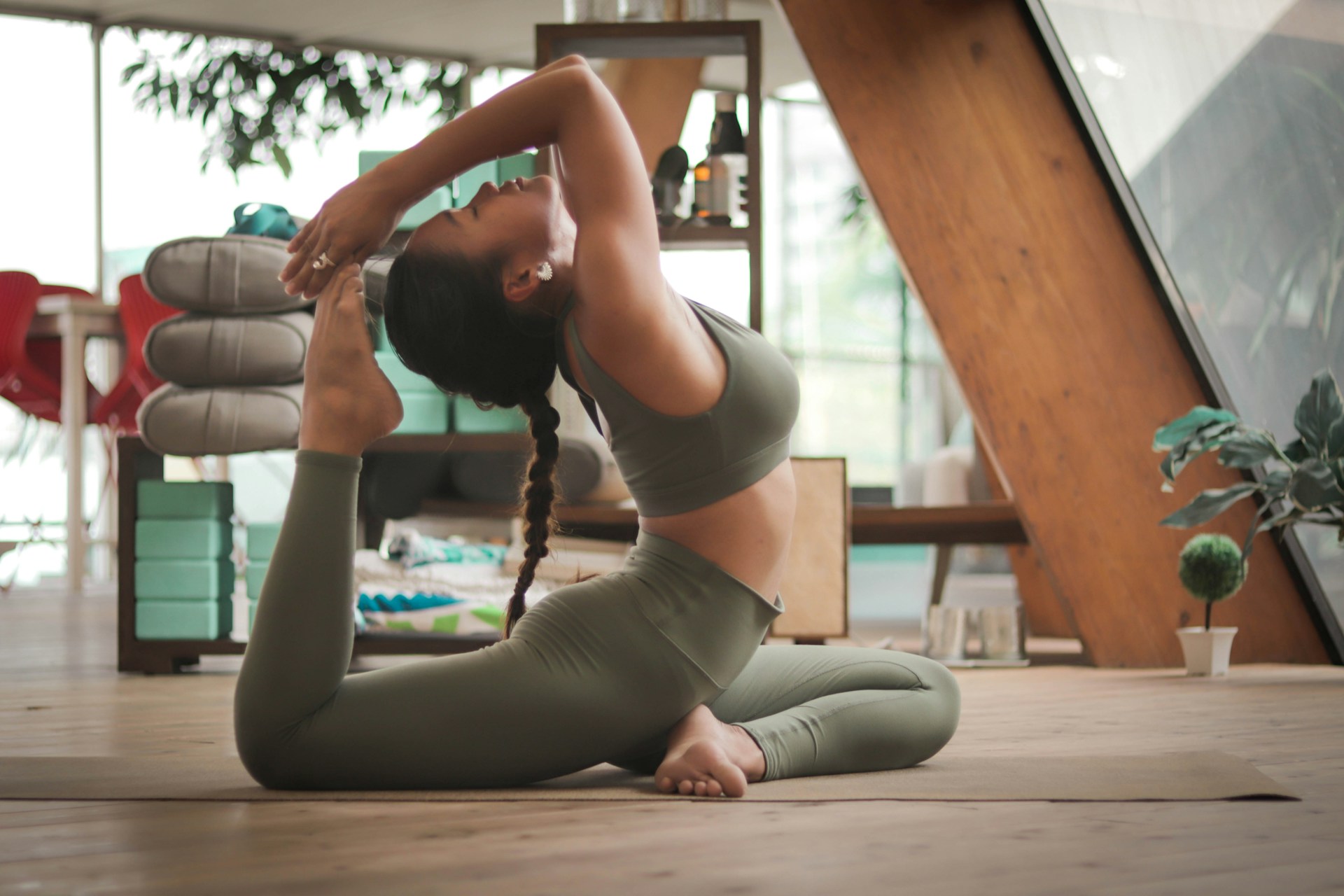
Why 20 Minutes per Day Beats 60 Minutes Three Times per Week
The most important finding in modern flexibility science is one most gym-goers have never heard: frequency is a stronger predictor of flexibility gains than duration.
A 2012 study in the Journal of Physical Therapy Science found that subjects who stretched daily for 20 minutes achieved significantly greater improvements in hamstring flexibility than subjects who stretched three times per week for 40 minutes — identical total weekly volume, meaningfully different outcomes (Cipriani et al., 2012, JPTS).
The reason is neurological. Muscle length is not the primary limiter of flexibility in most people — the nervous system's stretch reflex is. When you move into a stretched position, your nervous system detects tension and fires a protective reflex that prevents further range of motion. Consistent daily exposure progressively raises this threshold. Less frequent sessions provide fewer opportunities for this neurological reset.
The Mayo Clinic's flexibility guidelines recommend 30–60 second holds per stretch, 2–3 repetitions each, with daily practice described as optimal. A 20-minute session comfortably covers 8–10 movements at this dose.
Crucially, 20 minutes removes the most common barrier to consistent practice: time. Most people can find 20 minutes. Few can reliably protect 60.
The Seven Joints You're Probably Neglecting
The 20/20 Method is organized around the seven joint complexes that accumulate the most dysfunction from sedentary modern life — and whose restriction has the greatest downstream impact on movement quality, pain, and performance.
Research published in Spine identified restricted hip flexors and poor thoracic mobility as the two most significant modifiable risk factors for non-specific low back pain in adults who sit extensively (Nourbakhsh & Arab, 2002, Spine). Most conventional routines address two or three of these joints. The 20/20 Method addresses all seven within one session.
Phase 1: Active Mobility (10 Minutes)
The first half of the session uses movement, not static holds. Active mobility builds strength through the full range of motion — the dimension that produces lasting, functional flexibility rather than temporary passive length that disappears between sessions.
Hip CARs (Controlled Articular Rotations) — 60 seconds per side
Standing on one leg, make the largest controlled circle possible with the raised knee: forward, out, back, and in. These joint circles — popularized by the Functional Range Conditioning (FRC) system developed by Dr. Andreo Spina — are the most evidence-supported approach to maintaining articular cartilage health and building end-range joint control. Go slowly; the goal is maximum range, not speed.
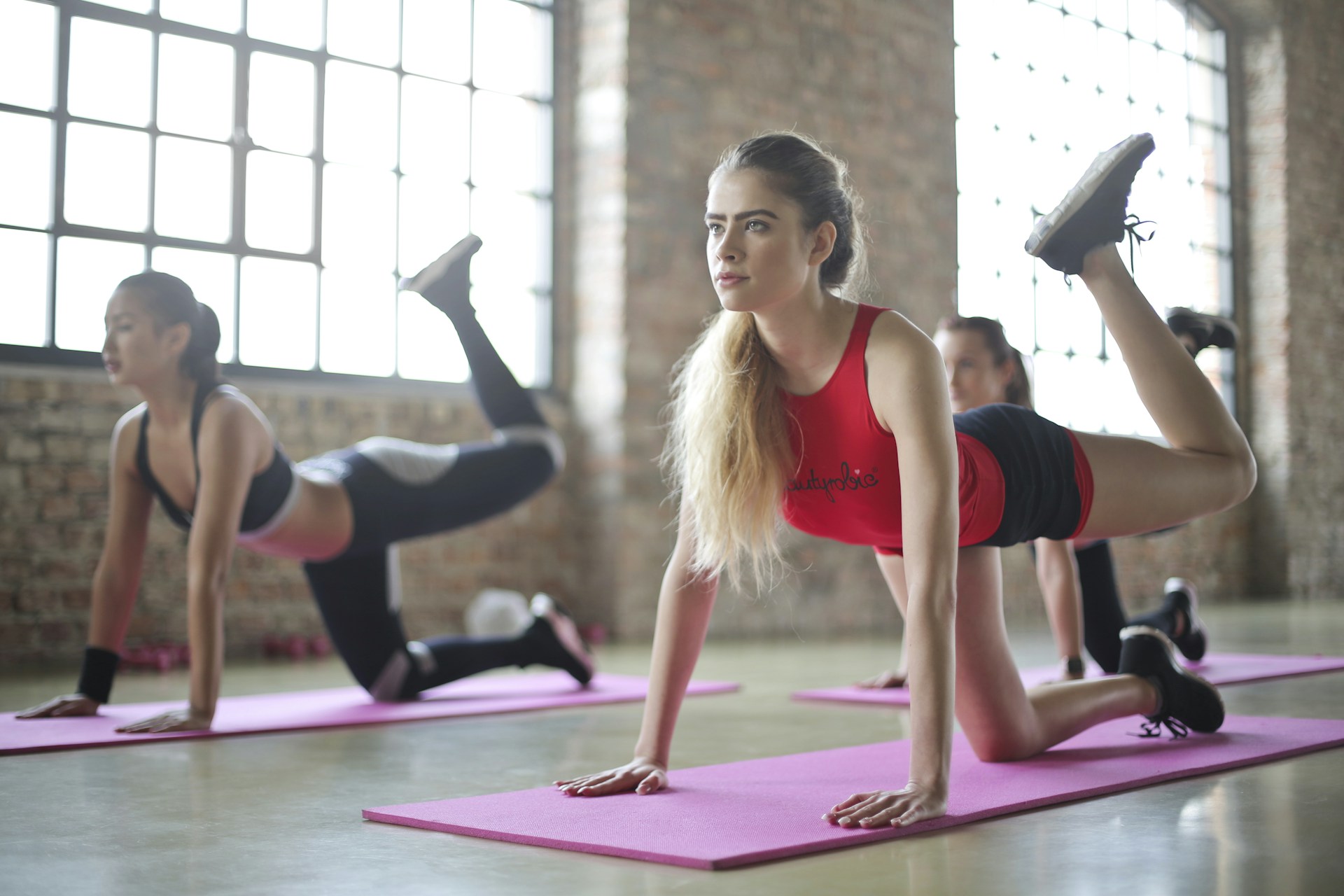
Thoracic rotations in quadruped — 60 seconds per side
On hands and knees, place one hand behind your head and rotate that elbow toward the ceiling while your eyes follow. This is the most targeted available mobilization for the thoracic spine and the most efficient antidote to the rounded upper back created by sustained desk work.
Deep squat with thoracic rotation — 60 seconds
Hold a bodyweight deep squat with hands together at chest. Rotate one arm to the ceiling, alternating sides. This loaded position simultaneously develops hip flexion range and thoracic rotation under mild compressive load — a more functional stimulus than either in isolation.
90/90 hip switches — 60 seconds
Seated on the floor with both legs at 90-degree angles (one in front, one to the side), shift your hips to transition between sides. Actively trains both internal and external hip rotation, the two directions most commonly absent from standard routines.
World's greatest stretch — 60 seconds per side
From a lunge position with the same-side hand on the floor inside the front foot, rotate the inside arm to the ceiling, then return and step forward. Combines hip flexor lengthening, thoracic rotation, and shoulder mobilization in a single flowing movement. The name is not hyperbole.
Ankle circles in deep squat — 60 seconds per side
Shift weight onto one foot in a deep squat and trace deliberate ankle circles. Builds dorsiflexion range at end range — exactly where restricted ankles limit squat depth, running gait, and single-leg mechanics.
Phase 2: Passive Loading (10 Minutes)
The second half uses held positions at the nervous system's current flexibility threshold. Each stretch is held for 90–120 seconds — long enough for neurological adaptation to begin, not merely for mechanical elongation.
Half-kneeling hip flexor stretch — 90 seconds per side
Rear knee on the floor, front knee at 90 degrees, posterior pelvic tilt maintained throughout. This is the single highest-value stretch available to desk workers. Research from the Journal of Orthopaedic & Sports Physical Therapy confirms that tight hip flexors directly inhibit gluteus maximus activation — meaning chronic hip flexor tightness does not just cause discomfort, it prevents your glutes from firing properly during exercise and ordinary movement (Page, 2012, JOSPT).
Couch stretch — 90 seconds per side
Rear knee on the floor with shin against a wall, front leg at 90 degrees. This is the deepest available hip flexor and rectus femoris stretch without equipment. Approach it progressively — the first week may be genuinely uncomfortable. By week four, most people notice dramatic changes in hip extension range that carry over to their squat and gait.
Pigeon pose or seated 90/90 hip stretch — 90 seconds per side
The most effective external hip rotation stretch available. For people with knee discomfort, the seated 90/90 position — both legs at 90-degree angles, leaning forward over the front shin — delivers an equivalent stretch at lower joint stress. Hold passively; do not push for more range than the position provides.
Doorway pec and shoulder stretch — 60 seconds
Both arms at 90 degrees in a doorframe, lean gently forward. Directly counteracts the chronic anterior shoulder tightness and pec shortening caused by keyboard and phone use. Pair this with the exercises in our morning mobility routine for tight hips and lower back if desk posture is your primary concern.
Adding Resistance Bands for Deeper Hip Work
For lower body mobility specifically, light resistance bands amplify the effectiveness of hip-focused movements. A fabric hip band placed just above the knees during the 90/90 hip switches and deep squat work adds proprioceptive feedback and activates the hip abductors through their full range — a combination that produces noticeably faster hip external rotation gains compared to bodyweight alone.
The Tribe Lifting fabric resistance bands are well suited for this application — they stay in place during floor work, do not roll or pinch the skin, and provide the light resistance appropriate for mobility exercises rather than the heavier loads used for strength training.
For a complete guide to programming bands alongside flexibility work, see our resistance band mobility routine for tight hips and stiff shoulders and how mobility training integrates into a full hybrid strength and mobility program.
What to Expect — and When
Week 1–2: The passive stretches begin to feel less aggressive. You will notice you can breathe through positions that initially felt impossible.
Week 3–4: Measurable range improvements in hip flexion and thoracic rotation for most people. Morning stiffness that used to take an hour to clear begins resolving faster.
Week 6–8: Structural changes in movement patterns become visible — deeper squat, better overhead position, reduced anterior pelvic tilt during walking and standing.
Month 3+: Most people reach a new baseline flexibility that is genuinely different from where they started — and that baseline is maintained with ongoing daily sessions.
A 2018 meta-analysis in Sports Medicine confirmed that consistent stretching for 5–8 weeks produces significant range of motion improvements across all major joints in healthy adults, with daily frequency groups showing 34% greater improvement than 3x/week groups at matched total volume (Medeiros & Martini, 2018).

FAQ
Is 20 minutes of mobility actually enough to make a meaningful difference?
Yes — if done daily and structured to address the right joints. Research consistently shows that daily exposure to stretched positions is more important than session length. Twenty minutes daily outperforms 60 minutes three times per week for long-term flexibility development when total weekly volume is matched.
When is the best time of day to do the Mobility 20/20 Method?
Evening produces the fastest passive stretching gains since core body temperature is highest and connective tissue is most pliable. The active mobility phase works well as a morning session to counteract overnight stiffness. If only one time is possible: after any workout, when tissue is already warm. Avoid long passive holds immediately before heavy strength training, as static stretching transiently reduces force production by 5–8% for approximately 15–20 minutes (Behm & Chaouachi, 2011).
Do I need to already be flexible to start?
No. The method is designed specifically for inflexible people. The passive loading phase uses 90-second holds wherever your current range ends — not at some idealized range. Progress comes from consistent practice at your actual limit, not from forcing past it.
How long until I can squat to full depth or touch my toes?
For the average desk worker, consistent daily practice brings most people to a floor-touching hamstring test by week 6–8. Squat depth improvements often appear by week 3–4 as ankle dorsiflexion and hip flexor length improve simultaneously. Individual variation based on starting point is significant.
What if I miss a day?
Do not try to compensate with a longer session the next day — just resume normally. Consistency across weeks and months matters far more than any individual session. Missing three or more consecutive days may produce a partial return of tightness in the most restricted areas, which reverses quickly on resuming daily practice.


