
Strength Training Longevity: The Short Answer
Strength training longevity research points to a clear practical target: most adults should do resistance training at least two days per week, and roughly 90 to 120 total minutes per week is a realistic sweet spot for many people.
That does not mean 90 minutes is magic. It means you can stop thinking longevity training requires a complicated six-day gym plan. Two or three focused sessions can cover the big movement patterns, build muscle, support bone and joint health, and leave enough recovery to keep training year after year.
The best plan is simple: train your legs, hips, push, pull, core, and grip every week. Use weights, machines, bodyweight, or resistance bands. Progress gradually. Stop chasing soreness. The goal is not to prove how hard you can suffer in one workout. The goal is to make strength a permanent habit.
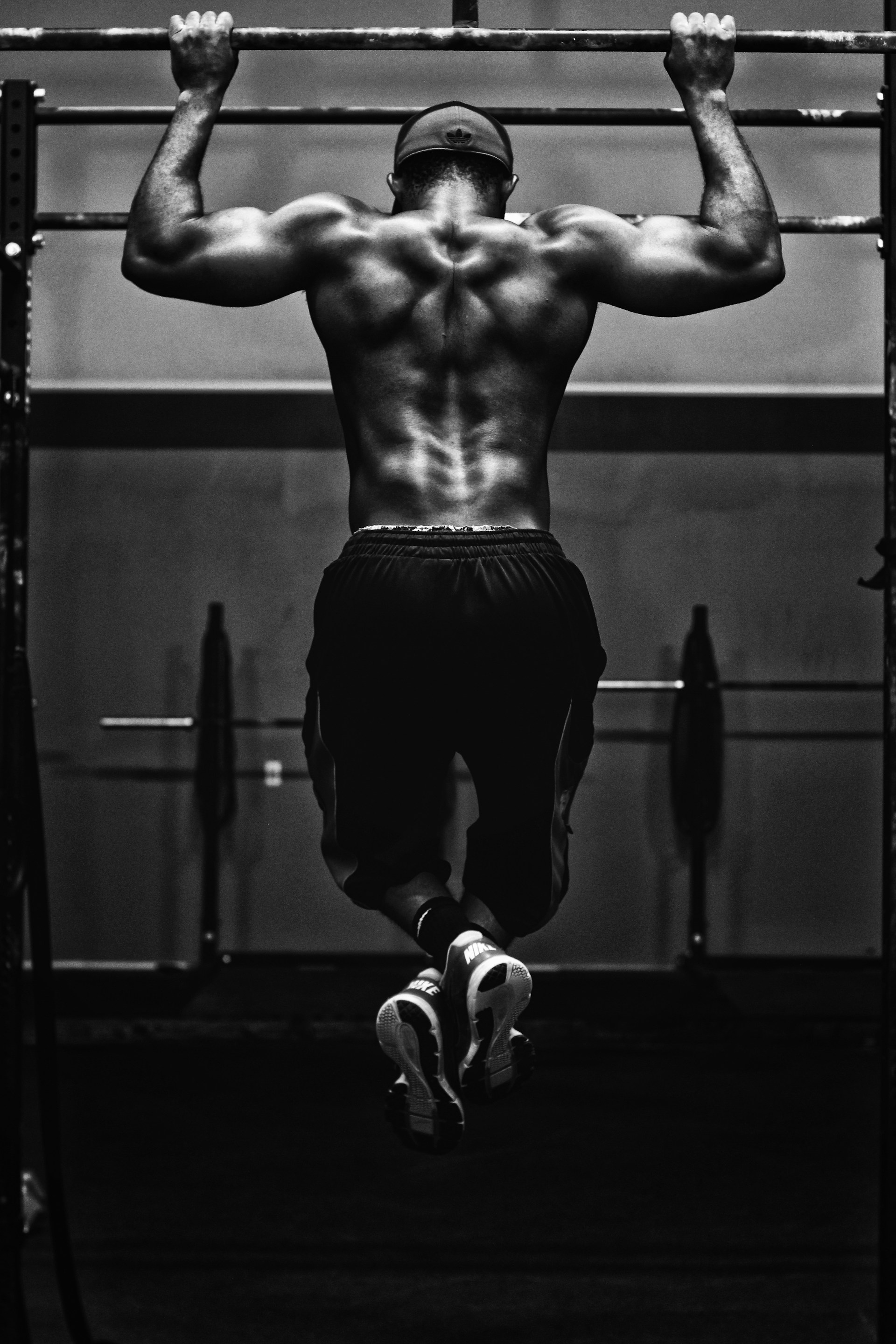
Why Strength Matters for Longevity
Muscle is not just for looking athletic. It helps you get off the floor, climb stairs, carry groceries, protect joints, manage blood sugar, and stay independent as decades pass. Strength also gives you a bigger reserve when life gets stressful, travel interrupts training, or illness forces a layoff.
The Centers for Disease Control and Prevention recommends adults perform muscle-strengthening activities at least two days per week, alongside aerobic activity (CDC adult physical activity guidance). That baseline is important because many people walk, run, or cycle but never load the muscles through enough resistance.
Research also connects muscle-strengthening activity with lower all-cause mortality risk. A large systematic review and meta-analysis in the British Journal of Sports Medicine found that muscle-strengthening activities were associated with a lower risk of all-cause mortality and several major disease outcomes, with benefits appearing strongest around moderate weekly doses (BJSM muscle-strengthening meta-analysis).
For older adults, the National Institute on Aging emphasizes strength training as a way to support everyday function, balance, and independence (NIA strength and power training). For younger adults, the same principle applies earlier: build the reserve before you need it.
What Counts Toward the 90-Minute Target?
The target is not limited to barbell lifting. A session counts when muscles work against meaningful resistance and the difficulty can progress over time.
Good options include:
- Dumbbells, barbells, kettlebells, or machines
- Bodyweight squats, push-ups, step-ups, lunges, and pull-up progressions
- Long resistance bands for rows, presses, hinges, pulldowns, and assisted movements
- Mini bands for glute bridges, lateral walks, hip stability, and warm-ups
- Loaded carries, sled pushes, stair climbing with load, or heavy household carries
Yoga, stretching, and mobility drills are useful, but they do not replace strength work unless they create a real resistance challenge. If you can do the movement forever without fatigue or progression, treat it as mobility or recovery, not your main strength dose.
Our strength and mobility training plan shows how to combine both without letting one crowd out the other.
The 2-Day Strength Training Longevity Plan
If you only have 90 minutes per week, use two 45-minute sessions. This is the lowest-friction plan for busy adults, beginners, frequent travelers, and anyone rebuilding consistency.
Day 1: Squat, Push, Row, Carry
Warm up for 5 minutes:
- Bodyweight squat: 10 reps
- Hip hinge reach: 8 reps
- Band pull-apart: 15 reps
- Easy plank: 20 seconds
Main work:
Keep one to three reps in reserve on most sets. You should finish feeling trained, not crushed.
Day 2: Hinge, Pull, Press, Core
Warm up for 5 minutes:
- Glute bridge: 12 reps
- Dead bug: 6 per side
- Band face pull: 15 reps
- Half-kneeling hip flexor breathing: 5 breaths per side
Main work:
For home training, a long-band setup can cover rows, presses, hinges, pulldowns, and assisted mobility. The Tribe Lifting resistance band set fits that full-body role well. For glute bridges and lateral walks, the Tribe Lifting fabric resistance bands are easier to keep in place around the thighs.

The 3-Day Version for Better Skill Practice
If you have 120 minutes, split the work into three sessions of about 40 minutes. The total time is similar, but each workout feels cleaner because you practice movements more often.
Monday: Lower Body and Push
- Squat or leg press: 3 sets
- Romanian deadlift: 3 sets
- Push-up or bench press: 3 sets
- Calf raise: 2 sets
- Plank: 2 sets
Wednesday: Pull and Hips
- Row: 3 sets
- Pulldown or assisted pull-up: 3 sets
- Hip thrust or glute bridge: 3 sets
- Lateral band walk: 2 sets
- Suitcase carry: 3 carries
Friday: Full Body
- Split squat or step-up: 3 sets
- Overhead press: 3 sets
- Band or cable row: 3 sets
- Hip hinge or back extension: 2 sets
- Pallof press: 2 sets
This version works especially well if you are learning technique. Strength is a skill. Practicing three times per week often feels better than squeezing everything into one exhausting day.
How Hard Should the Sets Be?
Most longevity-focused strength work should be hard enough to require focus but not so hard that form falls apart.
Use this effort scale:
- Easy warm-up: 4 to 5 out of 10
- Productive training set: 7 to 8 out of 10
- Occasional hard set: 9 out of 10
- True max effort: rarely needed
Beginners should spend months at 7 to 8 out of 10. Older adults, people returning from injury, and anyone in a calorie deficit should be even more conservative at first. The win is stacking months of clean sessions.
Progress by adding one or two reps, a little load, a stronger band, a slower tempo, or a slightly harder variation. You do not need to change everything at once. Our progressive overload guide explains how bands and weights can both create a legitimate strength stimulus.
Where Mobility and Recovery Fit
Longevity training fails when the plan looks good on paper but joints feel worse every month. Recovery and mobility keep the plan repeatable.
Add 5 to 8 minutes of targeted mobility before each session. Pick drills that improve the workout you are about to do:
- Squat days: ankle rocks, 90-90 hip switches, bodyweight squat holds
- Hinge days: hamstring flossing, glute bridges, hip airplanes
- Upper-body days: thoracic rotations, wall slides, band pull-aparts
On off days, walk, do easy cycling, or use a short recovery circuit. Keep it easy. Our recovery as training guide covers how to plan rest days so they actually improve the next workout.

Common Mistakes With 90-Minute Plans
The first mistake is doing too many exercises. A short plan needs priorities. Squat, hinge, push, pull, carry, brace, and rotate. Accessories are useful only after the main work is covered.
The second mistake is turning every set into a test. Max effort feels productive in the moment, but it often steals from the next session. Leave a little in the tank.
The third mistake is ignoring legs and grip. Machines and upper-body circuits are fine, but longevity strength should include standing up, stepping, carrying, and controlling the body on one leg.
The fourth mistake is treating bands as only warm-up tools. Bands can be light, but they can also be loaded and progressed. Rows, presses, hinges, pulldowns, curls, triceps extensions, Pallof presses, and assisted pull-up work all fit well.
FAQ
Is 90 minutes of strength training per week enough?
Yes, 90 minutes per week can be enough for meaningful health and strength benefits when the plan trains the whole body, uses progressive resistance, and is performed consistently. More can help, but 90 focused minutes beats an ambitious plan you cannot sustain.
Should I lift two or three days per week for longevity?
Both work. Two days is efficient and easier to maintain. Three days gives you more practice, shorter sessions, and often better movement quality. Choose the schedule you can repeat for months.
Do resistance bands count as strength training?
Yes. Resistance bands count when the exercises are challenging, progressed over time, and cover useful movement patterns. Bands are especially practical for home workouts, travel, warm-ups, rows, presses, glute work, and joint-friendly accessory training.
How heavy should older adults lift?
Older adults should start with loads they can control cleanly and progress gradually. The set should feel challenging by the final reps, but technique, balance, and joint comfort matter more than chasing heavy numbers early.
Do I still need cardio if I strength train?
Yes. Strength training and cardio solve different problems. Keep walking, cycling, hiking, swimming, or another aerobic activity in the week. For longevity, the strongest plan combines muscle-strengthening work with regular aerobic movement.


