
Best Wrist Wraps for Weightlifting in 2026: What the Science Says About Wrist Support
If you've ever felt wrist pain during heavy bench press, overhead press, or front squats, wrist wraps might be the single most impactful $20–$30 you spend on your training. But with dozens of options on the market — stiff competition wraps, flexible everyday wraps, thumb-loop vs. no thumb-loop — how do you know what actually works?
This guide breaks down the science behind wrist support, explains what separates a good wrap from a mediocre one, and ranks the best wrist wraps of 2026 across price points and training styles.
---
Why Wrist Wraps Work: The Science
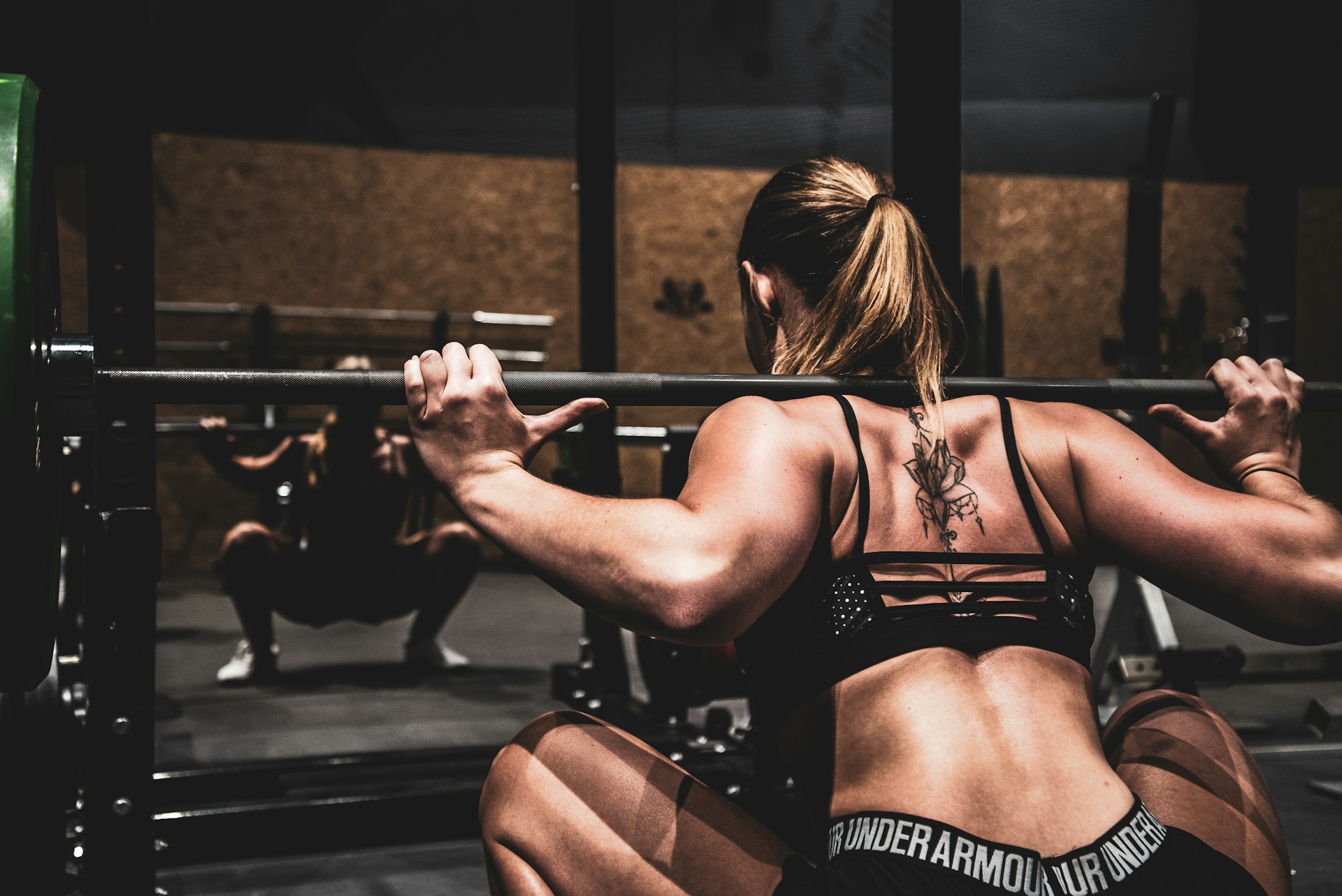
The wrist joint — technically the radiocarpal joint — is a complex structure involving eight carpal bones, multiple ligaments, and the distal ends of the radius and ulna. During heavy pressing movements, the wrist is placed in hyperextension under load, which concentrates stress on the posterior ligaments and can lead to both acute injury and cumulative overuse damage.
A 2019 study published in the Journal of Strength and Conditioning Research found that wrist wraps significantly reduced wrist extensor muscle activation during the bench press, meaning the joint's passive structures bear less load when wraps are used (Cejudo et al., 2019). The practical implication: wraps allow lifters to maintain a more neutral wrist position under load, which improves force transmission to the bar and reduces injury risk.
Beyond injury prevention, there's a performance component. A neutral, stable wrist creates a more direct line of force from your palm through the bar, improving bar path efficiency in pressing movements. Many lifters report an immediate increase in pressing strength when first switching to wraps — not because the wrap adds strength, but because it removes a mechanical inefficiency.
Who should use wrist wraps:
- Anyone pressing more than 70–80% of their 1-rep max regularly
- Lifters with a history of wrist pain or previous wrist injury
- Olympic lifting athletes performing cleans, snatches, or jerks
- Competitive powerlifters or strength athletes at any level
- Beginners who want to build pressing volume without developing wrist issues
---
What to Look for in Wrist Wraps
Not all wraps are equal. Here's what actually matters:
Stiffness (Rigidity)
Wraps range from very flexible (more like a wrist sleeve) to extremely stiff (used in powerlifting competition). Stiffer wraps provide more support for maximal lifts but restrict range of motion — not ideal for Olympic lifts or movements requiring wrist mobility. For general weightlifting, medium stiffness is the sweet spot.
Length
Standard lengths are 18 inches, 24 inches, and 36 inches. Longer wraps allow more layers and therefore more support. Beginners and general gym-goers do well with 18–24 inch wraps. Competitive powerlifters often prefer 36-inch wraps (though many federations cap wrap length for competition).
Material
Cotton/elastic blends are most common and provide a good balance of support and breathability. Some premium wraps incorporate polyester or nylon for added durability. Avoid wraps that feel scratchy or use low-quality elastic that loses tension after a few sessions.
Closure System
Velcro closures are standard. Look for wide, industrial-grade Velcro that doesn't peel after repeated use. Thin or cheap Velcro is the most common failure point on budget wraps.
Thumb Loop
Thumb loops help position the wrap correctly while wrapping but should be slipped off before lifting — the loop is a positioning aid, not a structural element. Wraps without thumb loops require more practice to apply consistently.
---
The 5 Best Wrist Wraps of 2026
1. Tribe Lifting Wrist Wraps — Best Overall Value
Rating: 4.7/5 | Price: ~$19.99 | Length: 18 inches
The Tribe Lifting Wrist Wraps have quietly become one of the top-selling wrist wraps on Amazon — and for good reason. They hit the ideal stiffness level for general weightlifting: firm enough to provide real support during heavy pressing, flexible enough not to restrict overhead movements.
The elastic weave is dense and holds tension well through an entire training session without sagging or stretching out. The industrial Velcro closure stays secure through extended use. The thumb loop is well-positioned and easy to use.
Best for: General gym-goers, CrossFitters, intermediate lifters doing bench, overhead press, and Olympic-style movements.
Pros: Affordable, durable Velcro, comfortable on skin, good all-day support
Cons: 18-inch length limits max support for very heavy lifting; not competition-approved for powerlifting federations
---
2. Rogue Fitness Wrist Wraps — Best for Serious Lifters
Rating: 4.8/5 | Price: ~$28–$35 | Length: 18 or 24 inches
Rogue's wraps use a stiffer cotton-poly blend that's noticeably more rigid than most consumer wraps. If you're regularly handling 85%+ of your 1RM on pressing movements, Rogue's wraps provide a level of lockdown that general gym wraps can't match.
The tradeoff is less wrist mobility — you won't want to do snatches or thrusters in these. But for dedicated powerlifting-style training with heavy bench and overhead press, they're worth the premium.
Best for: Intermediate to advanced powerlifters, dedicated bench pressers
Pros: Superior stiffness, extremely durable, long track record
Cons: More expensive, reduced mobility, overkill for beginners
---
3. SBD Wrist Wraps — Best Competition Wrap
Rating: 4.9/5 | Price: ~$55–$65 | Length: 60cm approved
SBD wraps are approved by the IPF (International Powerlifting Federation) and most major federations. If you compete in powerlifting, these are the gold standard — the 60cm competition wrap provides maximum legal stiffness and support.
For training purposes, they're exceptional but overkill unless you're specifically preparing for competition. The price reflects both quality and the competition-approval certification process.
Best for: Competitive powerlifters, IPF/USAPL lifters
Pros: IPF-approved, maximum support, exceptional build quality
Cons: Expensive, too stiff for general use
---
4. Gymreapers Wrist Wraps — Best Budget Pick
Rating: 4.5/5 | Price: ~$14.99 | Length: 18 inches
Gymreapers offers a solid entry-level wrap at a price point that makes it easy to grab a pair for general gym use. The stiffness is lighter than the Tribe Lifting or Rogue options — closer to a firm wrist sleeve — but provides meaningful support for moderate weights.
For beginners lifting under 60–70% of their 1RM on most working sets, Gymreapers wraps offer a cost-effective introduction to using wrist support.
Best for: Beginners, casual gym-goers, those unsure if wraps are right for them
Pros: Affordable, widely available, good introductory wrap
Cons: Loses tension faster than premium options, thinner Velcro
---
5. Eleiko Training Wrist Wraps — Best for Olympic Lifting
Rating: 4.6/5 | Price: ~$32 | Length: 50cm
Eleiko, the Swedish barbell company used in Olympic competition, makes wraps specifically designed for the demands of Olympic weightlifting — cleans, snatches, and jerks require wrist mobility that stiff powerlifting wraps prevent. These wraps provide firm support while maintaining the wrist flexion needed to catch a snatch or set up a clean.
Best for: Olympic weightlifters, CrossFitters, anyone combining pressing with catching movements
Pros: Excellent mobility-support balance, premium construction, trusted brand
Cons: More expensive, not ideal for pure powerlifting
---
How to Wrap Your Wrists Correctly
Even the best wrist wraps won't help if applied incorrectly. Follow this technique:
Tension tip: Wraps should feel firm, not painful. If your fingers tingle or go numb, you've wrapped too tightly.
---
When NOT to Use Wrist Wraps
Wrist wraps are a support tool, not a substitute for wrist strength. Using them on every set of every workout can actually impede the development of the intrinsic wrist and forearm muscles that provide natural joint stability.
Reserve wraps for:
- Working sets at 75%+ intensity
- Movements known to stress the wrist (heavy bench, overhead press, front squats, cleans)
- Days when your wrists feel fatigued or vulnerable
Skip wraps for:
- Warm-up sets and light accessory work
- Movements that don't load the wrist directly
- Daily mobility work
If you're looking to build wrist strength alongside using wraps, pairing them with targeted forearm and grip work makes sense. Our home gym resistance bands guide includes band-based wrist and forearm exercises that complement any pressing program.
---
Wrist Wraps vs. Wrist Sleeves: What's the Difference?
A common point of confusion: wrist wraps and wrist sleeves are different products serving different purposes.
| Feature | Wrist Wraps | Wrist Sleeves |
|---|---|---|
| Support level | High (adjustable) | Low to moderate |
| Use case | Heavy lifting | Light support, warmth |
| Adjustability | Fully adjustable | Fixed compression |
| Best for | Bench press, OHP, cleans | Everyday gym use, recovery |
If you want maximum support for heavy lifting sessions, wraps are the choice. If you want mild compression for joint warmth and light support during general training, a sleeve may suffice.
For a complete wrist and grip support setup for heavy pulling work — deadlifts, rows, shrugs — consider pairing wrist wraps with Tribe Lifting Lifting Straps. Straps address grip fatigue while wraps handle wrist stability, letting your training stimulus hit the target muscles rather than your grip or wrist being the weak link.
---
How to Care for Wrist Wraps
Wrist wraps accumulate sweat, bacteria, and chalk. Regular care extends their lifespan significantly:
- Hand wash with mild detergent after every 2–3 uses
- Air dry only — heat damages elastic fibers and degrades Velcro adhesion
- Unroll fully when drying so the interior dries completely
- Check Velcro periodically — once Velcro loses grip it won't return; time to replace
Most quality wraps last 12–24 months with regular care. Signs it's time to replace: Velcro no longer holds under tension, wrap loses rigidity even when applied tightly, elastic shows visible fraying.
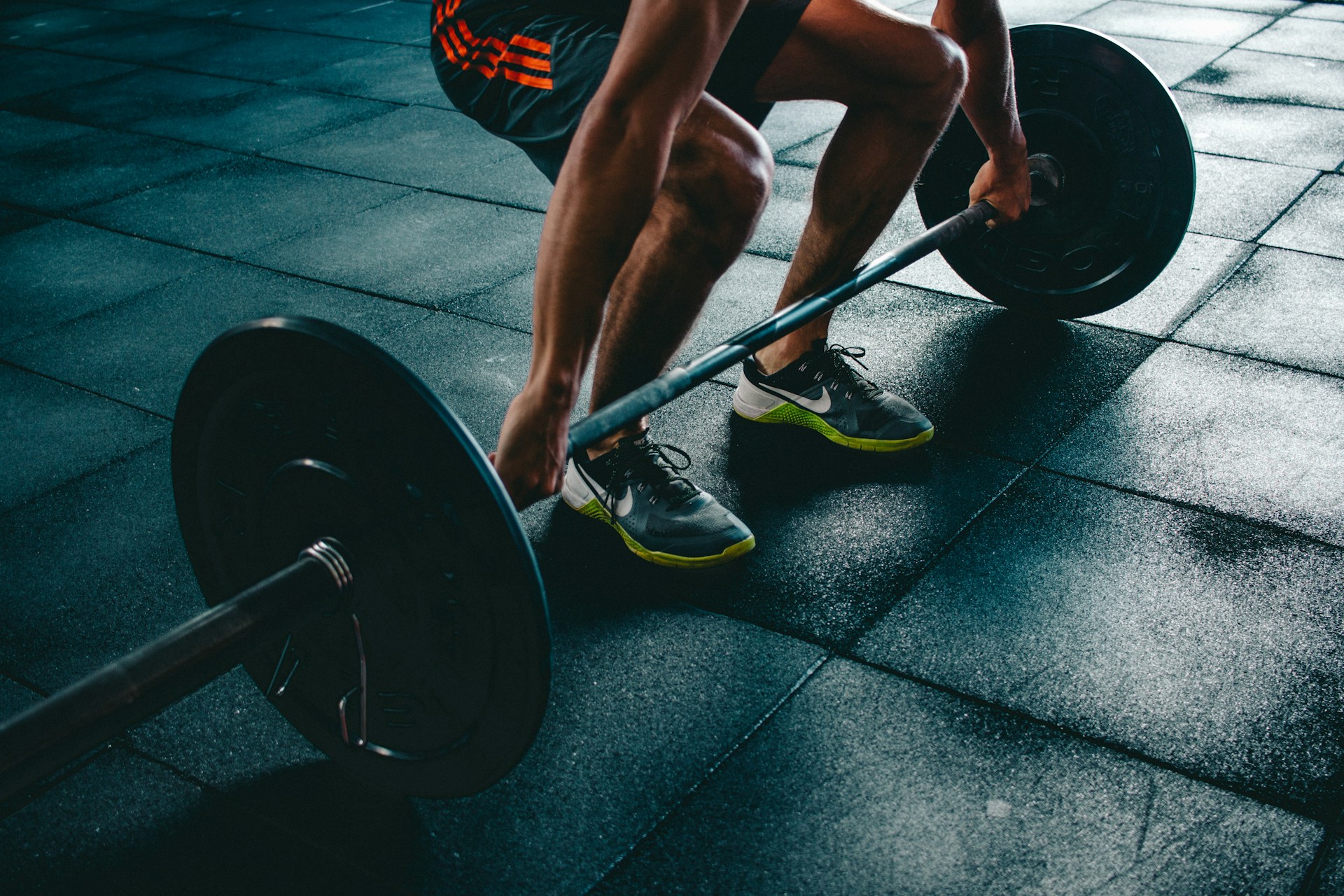
For more on protecting your joints and staying injury-free through heavy training, our progressive overload guide covers how to manage training load sensibly over time.
---
FAQ
Do I need wrist wraps as a beginner?
Not immediately. In the early months of training, the weights used are light enough that wrist stress is minimal. Focus on building proper technique first. Once you're consistently working above 60–70% of your 1-rep max on pressing movements — typically 3–6 months into training — wraps become worthwhile.
Can wrist wraps cause dependency or weaken my wrists?
Used strategically (for heavy sets only, not warm-ups and light work), no. The risk of dependency occurs when lifters use wraps for every set at every weight, which prevents the wrist musculature from developing. Use them as a tool for your hardest work; skip them for the rest.
Are wrist wraps allowed in powerlifting competition?
Most federations allow wrist wraps up to a specific length (usually 1 meter for raw divisions). Competition-approved wraps must meet federation specifications — check your specific federation's rulebook. IPF-approved wraps like SBD are certified for the most common competitions.
What's the difference between 18-inch and 24-inch wraps?
Longer wraps allow more passes around the wrist, creating more layers and greater stiffness and support. 18-inch wraps suit most general gym-goers and intermediate lifters. 24-inch wraps are preferred by advanced lifters wanting more lockdown on maximal lifts. If you're unsure, start with 18-inch.
How tight should wrist wraps be?
Firm enough to feel supportive, not so tight that circulation is restricted. A useful test: you should feel mild to moderate compression but be able to make a fist comfortably. Fingers should not tingle or go numb — if they do, loosen immediately.
Can I use wrist wraps for pull-day exercises?
Wrist wraps add little value for pulling movements like rows and pull-ups, where the wrist is in a neutral or flexed position rather than extended. For heavy pulling, lifting straps address the actual limiting factor (grip). Save wrist wraps for push-day and overhead movements.
