
Weightlifting Belt Science: When to Use One, When to Skip It, and How to Choose
Weightlifting belts are everywhere in gyms — and so is bad advice about them. Some lifters wear one for every set including warm-ups. Others insist belts make you weak and should never be used. Both camps miss what the research actually shows.
A weightlifting belt is a specific tool that does a specific job. When used correctly at the right times, it demonstrably improves performance and reduces injury risk. When used incorrectly, it does nothing useful and may mask actual weaknesses.
This guide covers the biomechanics of how belts work, the evidence on when they help, the common mistakes, and how to choose the right belt for your training.
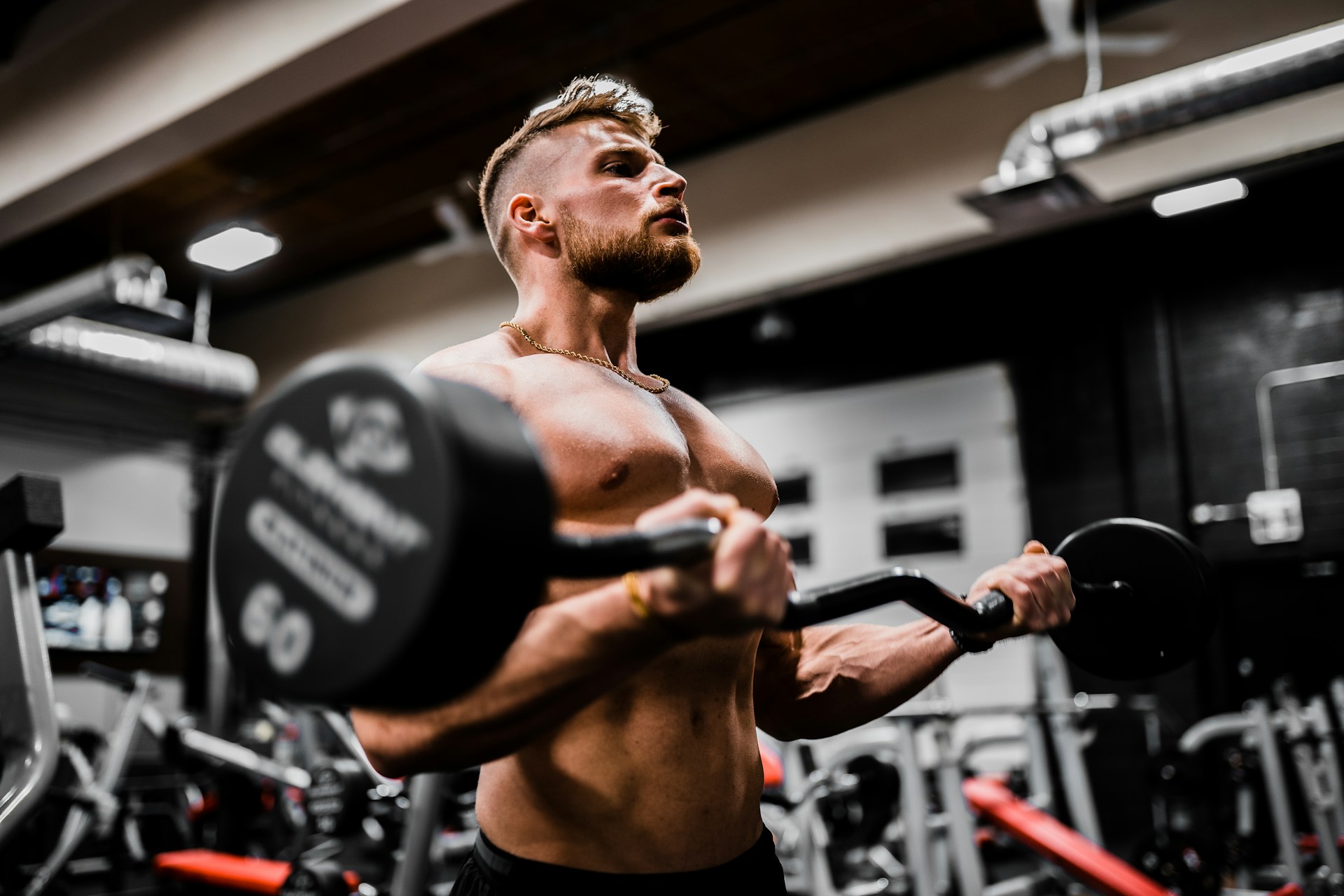
How a Weightlifting Belt Actually Works
Most people think a belt supports your back by squeezing it from the outside. That is not how it works.
A weightlifting belt functions by giving your abdominal muscles something rigid to push against, which dramatically increases intra-abdominal pressure (IAP). IAP is the pressure inside your abdominal cavity — and it is your body's primary mechanism for stabilizing the spine under load.
When you brace your core before a heavy lift, you compress the contents of your abdominal cavity to create a rigid hydraulic cylinder of pressure. This pressure pushes outward in all directions, generating a stiffening effect that reduces spinal compression forces and protects the intervertebral discs and vertebrae.
A rigid belt allows you to push your abdominal wall outward more forcefully than you can without one, increasing IAP significantly beyond what is achievable beltless.
Research by Harman et al. published in Medicine & Science in Sports & Exercise demonstrated that wearing a belt increased IAP by approximately 15–40% during squats and deadlifts compared to beltless lifting (Harman et al., 1989). Greater IAP means greater spinal stability under heavy load.
A separate study by Lander et al. in the Journal of Strength and Conditioning Research found that belt use during squats reduced lumbar compression forces and increased maximal force output — subjects could lift more weight with measurably better biomechanics (Lander et al., 1992).
Key insight: A belt does not support your back for you. It lets your core support your back more effectively.
When to Use a Weightlifting Belt
Belts produce the most benefit during heavy compound lifts where spinal loading is highest:
Squats — particularly back squats where the load sits directly on the spine. Research supports belt use at intensities above 80% of your one-rep max.
Deadlifts — conventional and sumo deadlifts place significant load on the lumbar spine, especially at maximal effort. Most competitive powerlifters use a belt for any deadlift above 85% 1RM.
Overhead press — heavy pressing creates substantial lumbar extension force as the lifter compensates under load. A belt helps maintain a neutral spine at high intensities.
Barbell rows — the horizontal loading pattern generates lumbar shear force, making a belt appropriate for heavy working sets.
A practical threshold used widely in strength training: consider a belt for any working set above 80% of your 1RM on these movements. Below that intensity, beltless training develops the raw bracing strength and technique that makes belt use more effective when you do reach for one.
When NOT to Use a Belt
Belts are not appropriate — or useful — in most training contexts:
Warm-up sets and submaximal work. If you can execute a set safely beltless, do it beltless. Submaximal work is where your body develops foundational core stability. Using a belt for sets at 50–65% 1RM provides no meaningful benefit and removes the unassisted stimulus your stabilizers need.
Isolation exercises. Bicep curls, leg press, cable rows — a belt provides no biomechanical benefit for exercises where spinal compression is not the limiting factor.
Hypertrophy-focused training. Moderate loads for higher rep ranges build muscle effectively without a belt. The core engagement from beltless moderate-load training is a genuine training stimulus.
While learning movement patterns. If you are still developing squat or deadlift technique, train beltless until your bracing and positioning are consistent. A belt locked over a technique flaw reinforces that flaw at higher loads.
Does a Belt Make Your Core Weaker?
This is the most persistent concern about belt use, and the evidence does not support it.
Studies measuring core muscle EMG during belted versus beltless lifting show mixed results — some find slightly higher activation beltless, others find higher activation belted, depending on the movement and load. But EMG during any given set is not the only driver of long-term strength adaptation.
What matters for sustained core development is training volume, progressive overload, and specificity. Lifters who use belts for maximal efforts and train beltless for the bulk of their volume consistently develop strong, functional cores — because they are still accumulating the majority of their work without a belt.
The lifters who develop genuine belt dependency are typically those wearing one for every set, including warm-ups and light work. That pattern eliminates the beltless stimulus entirely. The belt is not the problem; indiscriminate use is.
Practical approach: Train beltless for 70–80% of your volume. Reserve the belt for max-effort work above 80% 1RM. This captures the performance benefit when it matters and preserves the unassisted core adaptation the rest of the time.
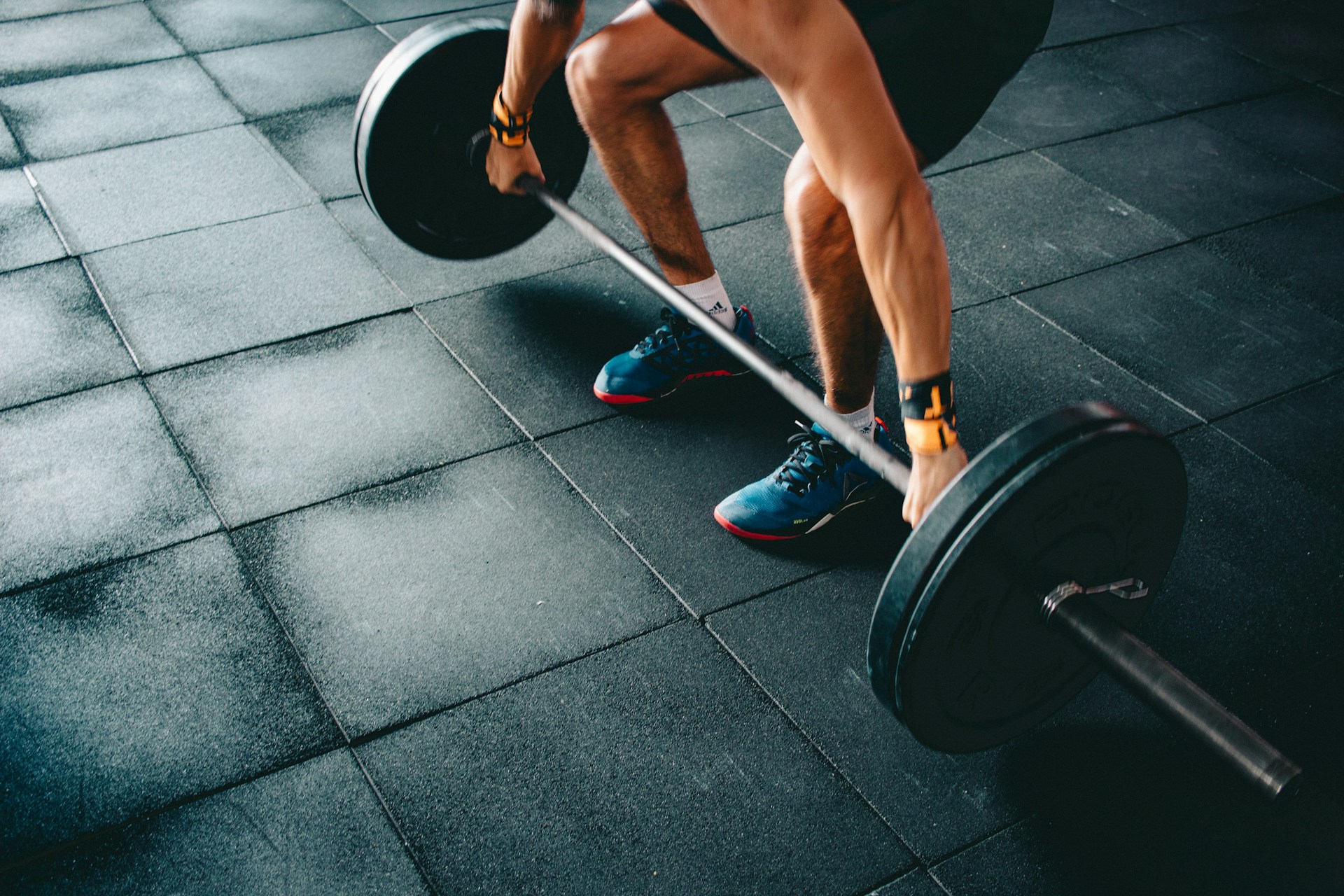
How to Use a Belt Correctly
Wearing a belt without knowing how to brace into it provides almost no benefit. The technique is the Valsalva maneuver with active abdominal bracing:
Correct tightness: firm but not circulation-restricting. You should be able to slide two fingers under the belt before bracing. Once you brace outward, the belt becomes rigid and fully engaged.
How to Choose a Weightlifting Belt
Width: A 4-inch uniform belt is the powerlifting competition standard and works well for most lifters. Tapered belts (narrower in front, wider in back) are more comfortable during pulling movements for some lifters, but provide less abdominal surface area to brace against.
Material:
- Leather belts are stiffer, more durable, and provide the most rigid support once broken in. Breaking in takes several weeks of consistent use.
- Nylon belts with a reinforced backing are immediately comfortable, adjust easily, and are more than adequate for most strength training. The performance difference versus leather becomes meaningful primarily at elite strength levels.
Buckle type: Prong belts (single or double prong) are the most adjustable — easy to change tightness between exercises. Lever belts allow the fastest on/off with a single motion but require a screwdriver to change the tightness setting.
Thickness: Competition belts are 10mm or 13mm. For general strength training, 10mm provides excellent support without the extended break-in period of 13mm leather.
The Tribe Lifting powerlifting belt is a 4-inch lever-buckle belt with reinforced stitching, built for heavy compound work without the premium price of competition-grade leather. It pairs naturally with their lifting straps for deadlift sessions and wrist wraps for heavy pressing — a solid foundation for a strength-focused accessory kit.
Related Reading
Understanding how to progress your training loads makes belt use more targeted — see our guide on progressive overload: the only principle you need for the principles behind sustainable strength gains. For the accessory side of heavy lifting, our best wrist wraps guide covers what the research says about wrist support during heavy pressing and overhead work.
---
Frequently Asked Questions
At what weight should I start using a weightlifting belt?
There is no universal number — it depends on your bodyweight, training age, and movement quality. A widely used threshold: consider a belt once you are squatting or deadlifting over 1.5× your bodyweight for working sets. Below that, beltless technique development typically produces more long-term benefit.
Can beginners use a weightlifting belt?
Technically yes, but it is generally counterproductive for the first 6–12 months of training. Beginners benefit most from developing foundational bracing mechanics and movement patterns without a belt. Using one early can mask poor technique that creates problems at heavier loads.
Does belt size matter?
Yes. A belt worn loosely provides minimal benefit — the abdominal wall needs a rigid surface to brace against. Proper fit is firm before bracing, fully engaged and non-shifting once you brace into it.
Is a leather belt better than a nylon belt?
For powerlifting competition, thick leather is standard. For general strength training, a high-quality reinforced nylon belt provides excellent support and is more comfortable from the first session. The performance difference is meaningful primarily for competitive lifters approaching elite strength levels.
Should I use a belt for deadlifts or only squats?
Both. Deadlifts place substantial compressive and shear load on the lumbar spine — the same mechanisms that make belt use beneficial for squats apply equally to pulling. Most competitive powerlifters use a belt for heavy deadlifts and squats.
How tight should a weightlifting belt be?
Tight enough to slide two fingers under it before bracing. Once you brace out into the belt, it should feel rigid and fully engaged — not shifting or wobbling under load. If you cannot take a complete diaphragmatic breath with the belt buckled, it is too tight.
