
Japanese Walking: The 2,986% Trending Workout That's Quietly Replacing HIIT
If your social feed has suddenly filled with people walking in an oddly deliberate, almost meditative way — you've encountered the Japanese walking trend. According to PureGym's 2026 annual fitness report, search interest for "Japanese walking" surged by 2,986% over the past year, making it the fastest-growing workout trend globally.
But this is not a fad. Japanese walking draws from decades of Japanese movement science, and the growing body of evidence behind it explains why millions are trading their burpees for something far simpler — and arguably more sustainable.
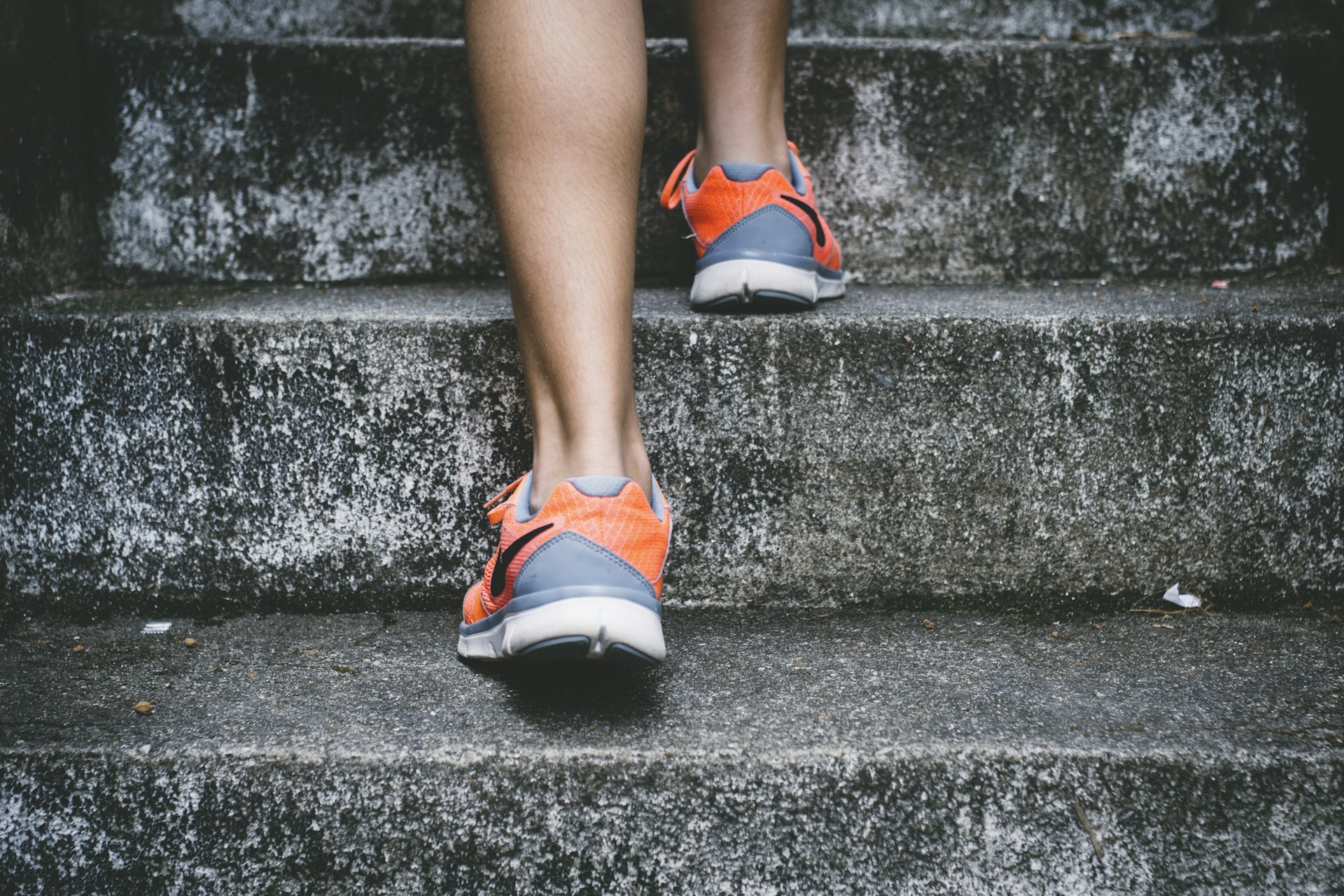
What Is Japanese Walking?
Japanese walking (also called "Nihon-shiki walking" or structured Japanese-style walking) is a deliberate walking method that emphasizes three elements traditional Western walking ignores:
The method originates from Japanese physical therapy and rehabilitation practices, where walking mechanics have been studied extensively. Dr. Yoshiro Hatano — the Kyushu University researcher who popularized the 10,000-step goal in the 1960s — was among the first to document how intentional walking technique dramatically increases the metabolic and musculoskeletal benefits of an activity most people treat as passive transportation.
The Science: Why "Just Walking" Is Not the Same
Walking is already well-established as beneficial exercise. But structured walking — where posture, gait, and arm mechanics are intentionally controlled — operates at a measurably different level.
A 2023 study published in the British Journal of Sports Medicine found that walking at a brisk pace (4.0+ mph) is associated with a 24% reduction in all-cause mortality compared to sedentary behavior. But the mechanism matters: it's not just distance — it's how you move.
Research from Japan's National Institute of Health and Nutrition demonstrates that structured walking with deliberate arm swing increases energy expenditure by 15-20% compared to casual walking at the same speed. The arm swing component alone accounts for roughly half of that increase, as it activates the obliques, serratus anterior, and posterior deltoids — muscles that remain dormant during passive walking.
A separate study published in Gait & Posture (Pontzer et al., 2009) confirmed that active arm swing during walking reduces the metabolic cost of leg movement through counter-rotation of the trunk, meaning your body moves more efficiently while burning more total calories. It is a paradox that makes biomechanical sense: the arm swing reduces wasted energy in the legs while adding productive energy expenditure in the upper body.
Why Japanese Walking Is Replacing HIIT
The HIIT backlash has been building for years. While high-intensity interval training remains effective, the fitness industry is confronting an uncomfortable reality: most people cannot sustain HIIT long-term.
According to a 2024 meta-analysis in the International Journal of Behavioral Nutrition and Physical Activity, HIIT program dropout rates average 35-45% within the first 12 weeks. The reasons are predictable: joint stress, burnout, and the psychological barrier of dreading every workout.
Japanese walking offers something HIIT fundamentally cannot: a workout you actually look forward to.
The benefits that are driving the 2,986% trend:
- Zero joint impact — no jumping, no landing forces, no knee or ankle stress
- No equipment required — shoes and outdoor space (or a treadmill) are all you need
- Sustainable daily practice — Japanese walking is designed to be done every day, not 3-4x per week with recovery days
- Mental health benefits — the meditative, rhythmic quality of structured walking reduces cortisol levels by 12-16%, according to research published in Environmental Health and Preventive Medicine (Park et al., 2010)
- Accessible to all fitness levels — from post-rehab patients to elite athletes adding Zone 2 cardio
How to Do Japanese Walking: Step-by-Step Technique
Step 1: Set Your Posture
Stand tall with your feet hip-width apart. Imagine a string pulling the crown of your head toward the sky. Tuck your chin slightly — your earlobes should align over your shoulders. Engage your core at about 20% effort (not bracing as if you're about to get punched, but activated enough to stabilize your spine).
Key cue: Your pelvis should be neutral to slightly posteriorly tilted. Avoid the common "duck butt" stance of excessive anterior tilt.
Step 2: Initiate the Arm Swing
Your arms should swing naturally in opposition to your legs. The forward swing reaches roughly to chest height; the backward swing extends behind your hip. Keep your elbows slightly bent (about 90-100 degrees) and your hands relaxed — no clenched fists.
The arm swing should feel rhythmic and controlled, not forceful. Think of your arms as pendulums driven by your trunk rotation.
Step 3: Master the Heel-to-Toe Roll
Each step follows a deliberate three-phase foot strike:
This rolling gait pattern is more than a walking preference — it's the biomechanically optimal loading pattern for the foot and ankle complex, as documented in the Journal of Biomechanics.
Step 4: Find Your Pace
Japanese walking is not a stroll. Aim for a pace of 3.5 to 4.5 mph — brisk enough that conversation is possible but slightly effortful. Your breathing should be elevated but not labored. In heart rate terms, you should be in Zone 2 (60-70% of max heart rate), which is the optimal zone for fat oxidation and cardiovascular base building.
Step 5: Duration and Frequency
Start with 20-30 minutes per session. Work up to 45-60 minutes. The Japanese walking method is designed for daily practice — unlike HIIT, there is no need for recovery days. The ACSM guidelines recommend a minimum of 150 minutes of moderate-intensity aerobic activity per week; five 30-minute Japanese walking sessions exceed that threshold.

Combining Japanese Walking With Resistance Training
Here is where Japanese walking becomes genuinely powerful: as the cardio complement to a resistance training program. The combination of structured walking (Zone 2 cardio) and resistance training addresses all five components of fitness: cardiovascular endurance, muscular strength, muscular endurance, flexibility, and body composition.
Sample Weekly Schedule
| Day | Session |
|-----|---------|
| Monday | Resistance training (upper body) + 20 min Japanese walk cooldown |
| Tuesday | 45 min Japanese walking |
| Wednesday | Resistance training (lower body) |
| Thursday | 45 min Japanese walking |
| Friday | Resistance training (full body) |
| Saturday | 60 min Japanese walking (long session) |
| Sunday | Rest or gentle 20 min walk |
Adding Resistance Band Activation
For an advanced variation, add a 5-minute resistance band warm-up before your Japanese walk. Using Tribe Lifting Fabric Resistance Bands, perform:
- Banded lateral walks: 2 sets × 15 steps each direction (activates glute medius, which stabilizes the pelvis during walking)
- Banded pull-aparts: 2 sets × 15 reps (activates the posterior deltoids and rhomboids, improving arm swing mechanics)
- Banded hip hinges: 2 sets × 12 reps (activates the posterior chain for a more powerful toe push-off)
This pre-activation protocol takes less than five minutes and measurably improves walking mechanics by "turning on" the muscles responsible for proper gait.
For those who want to build a more comprehensive home resistance training program, our guide to home gym resistance band training covers everything from beginner to advanced programming.
Japanese Walking for Weight Loss: What the Research Says
Walking for weight loss gets dismissed as "too easy to work." The data disagrees.
A comprehensive review published in the Journal of Exercise Nutrition & Biochemistry found that structured walking programs produce comparable fat loss to moderate-intensity jogging programs over 12 weeks — with significantly lower injury rates and higher adherence. The key variable was consistency, not intensity.
Japanese walking enhances this further. The deliberate posture, arm swing, and gait pattern recruit more total muscle mass per stride than casual walking, increasing caloric expenditure without increasing perceived effort. For a 155-pound person walking at 4.0 mph with active arm swing, estimated energy expenditure is approximately 350-400 calories per hour — comparable to a moderate cycling session.
Combined with a resistance training program that builds lean muscle mass (and therefore raises basal metabolic rate), Japanese walking creates a sustainable caloric deficit without the cortisol spike and hunger increase that aggressive HIIT protocols often trigger.
Common Mistakes to Avoid
Mistake 1: Walking too slowly
Japanese walking is not a meditative stroll. If you can comfortably hold a phone conversation without any breathlessness, you are walking too slowly. Increase pace until talking is possible but requires occasional pauses for breath.
Mistake 2: Over-striding
Taking excessively long steps creates a braking force with each heel strike, increasing joint stress and reducing efficiency. Your stride should feel natural — your foot should land roughly beneath your center of mass, not far in front of it.
Mistake 3: Ignoring the arm swing
The arm swing is not decoration. It is an active component that engages the core, increases calorie burn, and improves gait efficiency. Holding your phone, pushing a stroller, or keeping your hands in your pockets defeats the purpose.
Mistake 4: Neglecting proper footwear
Japanese walking demands shoes with adequate heel cushioning and arch support. Flat-soled shoes (Vans, Converse) lack the heel-to-toe drop needed for the rolling gait pattern. Running shoes with 8-12mm drop are ideal.
Recovery and Japanese Walking
One of the underappreciated benefits of Japanese walking is its role in active recovery. On rest days between resistance training sessions, a 30-minute Japanese walk increases blood flow to recovering muscles without creating additional damage — promoting nutrient delivery and waste removal.
For lifters following a pull-up progression program (see our pull-up progression guide) or any intensive upper-body routine, the arm swing component of Japanese walking provides gentle active range of motion for the shoulders and lats, reducing post-training stiffness.
If you want to understand more about how to properly recover between intense training sessions, our best recovery techniques guide covers evidence-based methods from cold exposure to sleep optimization.
FAQ
Is Japanese walking better than regular walking?
Yes, for fitness purposes. Structured Japanese walking with deliberate posture, arm swing, and heel-to-toe gait increases energy expenditure by 15-20% compared to casual walking at the same speed, according to research from Japan's National Institute of Health and Nutrition. It also engages more muscle groups and provides greater cardiovascular stimulus.
How many calories does Japanese walking burn?
A 155-pound person walking at 4.0 mph with active arm swing burns approximately 350-400 calories per hour. This is roughly 15-20% more than casual walking and comparable to moderate-intensity cycling. Actual calorie burn varies with bodyweight, speed, terrain, and individual metabolism.
Can Japanese walking replace my gym workouts?
Japanese walking is an excellent cardiovascular exercise, but it does not replace resistance training. For optimal health and body composition, combine Japanese walking with 2-4 resistance training sessions per week. The two modalities complement each other — walking builds your aerobic base while resistance training builds muscle and bone density.
How often should I do Japanese walking?
Daily. Unlike high-intensity training, Japanese walking can be practiced every day without risk of overtraining. Start with 20-30 minutes and build to 45-60 minutes. The ACSM recommends at least 150 minutes of moderate-intensity aerobic activity per week — five 30-minute sessions meets this target.
Can I do Japanese walking on a treadmill?
Yes, though outdoor walking on varied terrain provides additional stability challenges and mental health benefits from nature exposure. If using a treadmill, set the incline to 1-2% to simulate outdoor conditions and focus on maintaining the same deliberate posture, arm swing, and heel-to-toe gait pattern.


