
Mini Loop Bands vs Long Resistance Bands: The Short Answer
Mini loop bands and long resistance bands are not interchangeable. Mini loop bands are best for lower-body activation, glute work, hip stability, warm-ups, lateral movement, and small-range corrective exercises. Long resistance bands are better for full-body strength training, rows, presses, assisted pull-ups, deadlifts, squats, mobility drills, and exercises that need more range of motion.
If you want one compact home setup, start with a long resistance band set. It covers more movement patterns. If your goals are glute training, knee control, hip stability, or warm-up work, add mini loop bands. The best home gym choice is usually both: mini loops for precision and activation, long bands for loaded full-body training.
The decision gets easier when you stop asking which band is “better” and ask what job the band needs to do. A 12-inch fabric loop and a 41-inch pull-up band solve different problems.
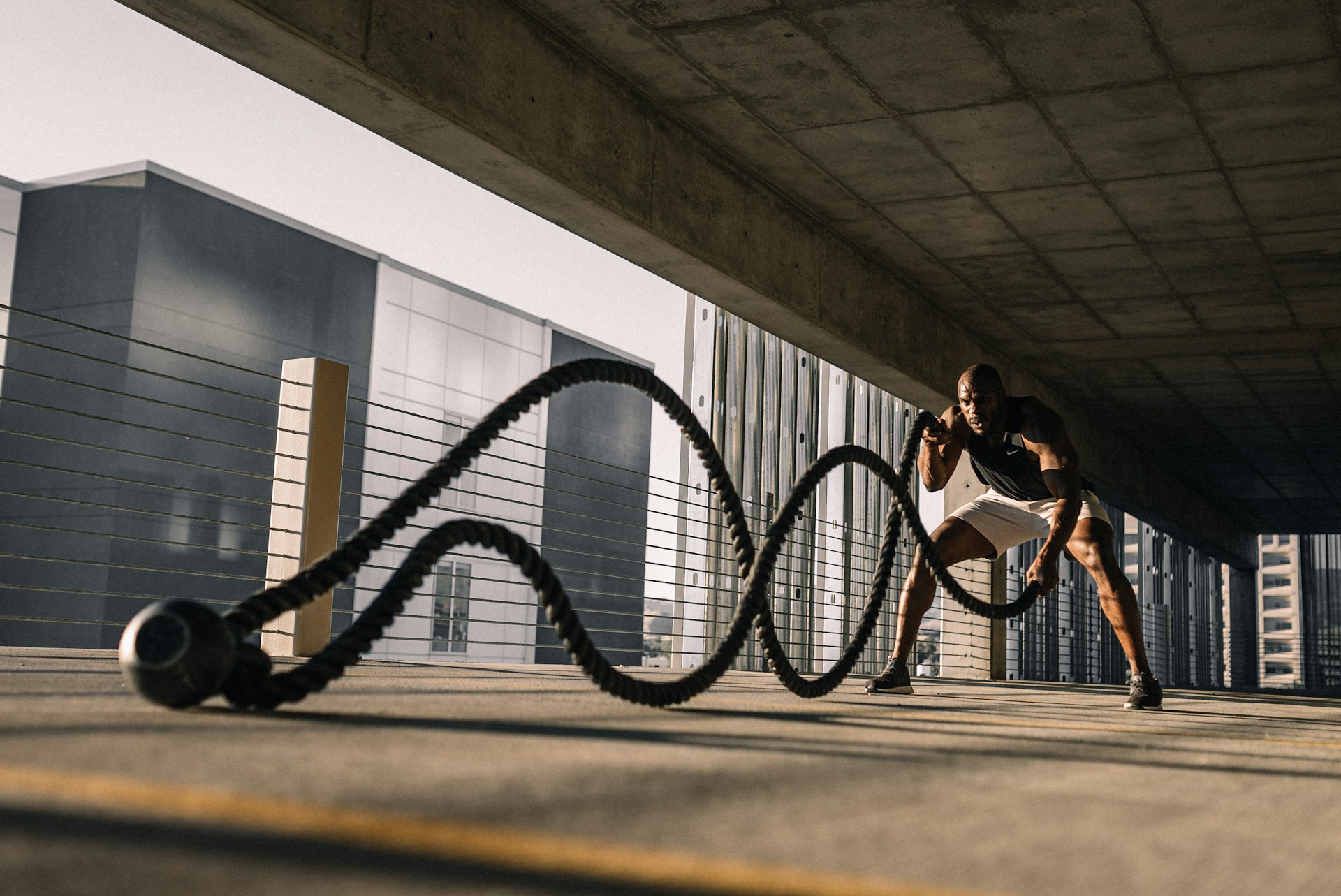
What Mini Loop Bands Do Best
Mini loop bands are small closed loops, usually worn around the thighs, knees, ankles, or feet. They shine when you want to create tension around the hips without needing an anchor point.
Use mini loop bands for:
- Glute bridges and hip thrusts
- Lateral band walks
- Clamshells
- Monster walks
- Squat warm-ups
- Knee-tracking drills
- Hip abduction work
- Short-range shoulder activation
The biggest advantage is simplicity. Put the band above your knees and you instantly get feedback: if your knees cave inward, the band loses tension or pulls you out of position. That makes mini loops useful for teaching better squat, lunge, and step-up mechanics.
Fabric mini bands are especially good for lower-body work because they do not roll or dig into the skin as much as thin latex loops. For glute bridges, lateral walks, and warm-up work, the Tribe Lifting fabric resistance bands are a practical choice because the resistance levels are easy to scale and the fabric stays put during sweaty sessions.
Where Mini Loops Fall Short
Mini loop bands are limited by their size. They do not provide enough length for most rows, presses, hinges, pulldowns, assisted pull-ups, or standing full-body movements. You can improvise, but the range often feels cramped.
They also load exercises unevenly if you try to force them into jobs they were not made for. A mini loop around the wrists can help cue shoulder external rotation, but it is not a replacement for a long band face pull. A mini loop under the feet can add resistance to a squat, but most people will outgrow that quickly.
Think of mini loops as a precision tool. They are excellent for activation, stability, and accessory work. They are not the main engine of a complete strength program.
What Long Resistance Bands Do Best
Long resistance bands include 41-inch pull-up style loops, tube bands with handles, and band sets with door anchors. Their main advantage is range. You can anchor them low, high, around a rack, in a door, or under your feet. That creates far more exercise options.
Use long bands for:
- Rows and pulldowns
- Chest presses
- Overhead presses
- Banded squats
- Romanian deadlifts
- Good mornings
- Pallof presses
- Face pulls
- Assisted pull-ups
- Banded mobility drills
- Full-body circuits
A long band set is the better first purchase if you want strength training at home with minimal equipment. The Tribe Lifting resistance bands set works well for this because it includes multiple resistance levels, handles, and a door anchor, which means you can train push, pull, squat, hinge, and core patterns without buying machines.
Research also supports elastic resistance as a legitimate training tool. A systematic review and meta-analysis in the journal SAGE Open Medicine found that elastic resistance training can produce strength gains comparable to conventional resistance training when programs are designed well (elastic resistance meta-analysis). The key is not the band itself. It is progressive overload, effort, and enough volume.
Where Long Bands Fall Short
Long bands can feel awkward for small lower-body activation drills. If you are doing lateral walks, a long band has to be tied, doubled, or held in place. That works, but it is clumsy compared with a mini loop.
Long bands also require more setup. You may need a safe anchor point, a door anchor, or enough floor space. For beginners, matching the band angle to the exercise can take a few sessions. If the anchor is too high, too low, or unstable, the exercise feels wrong.
Another limitation is tension curve. Bands get harder as they stretch. That is useful for some exercises, but it can make the end range disproportionately challenging. For example, a band chest press may feel easy at the start and brutally hard at lockout. That does not make it bad; it just means you need to choose resistance carefully.
Mini Loop Bands vs Long Resistance Bands: Best Uses
Choose mini loop bands when the goal is lower-body control. They are best for glutes, hips, knees, and warm-ups. They also work well for beginners who need to feel the right muscles before heavier training.
Choose long resistance bands when the goal is strength across bigger movement patterns. They are better for upper body, back training, hinges, assisted pull-ups, and anchored exercises.
If you already train with dumbbells or a barbell, mini loops are often the better add-on because they fill a gap: activation and joint-position feedback. If you train mostly at home with no equipment, long bands are the better foundation because they can replace more gym exercises.
For a deeper look at loading and muscle growth, read our guide to resistance bands vs free weights for muscle building. If you are building a compact setup from scratch, our home gym resistance bands guide covers the essentials.
Can One Band Type Cover Strength, Flexibility, and Balance?
One band type can cover part of the job, but not all of it equally well.
For strength, long bands win. You can train more muscles through larger ranges of motion. Rows, presses, hinges, squats, and anti-rotation core work all need space and adjustable angles.
For flexibility and mobility, long bands usually win again because they can create gentle traction. Banded ankle mobilizations, shoulder distractions, and hip flexor mobilizations all work better with a longer band. See our resistance band mobility routine if you want a simple mobility-focused plan.
For balance and hip control, mini loops often win. They make the hips work during single-leg stands, step-downs, lateral walks, and squat patterning. They are also easier to use in small rooms.
The American College of Sports Medicine recommends adults perform muscle-strengthening activities at least two days per week in addition to aerobic activity (ACSM physical activity guidance). Bands are one of the easiest ways to meet that standard at home because they are scalable, portable, and joint-friendly.
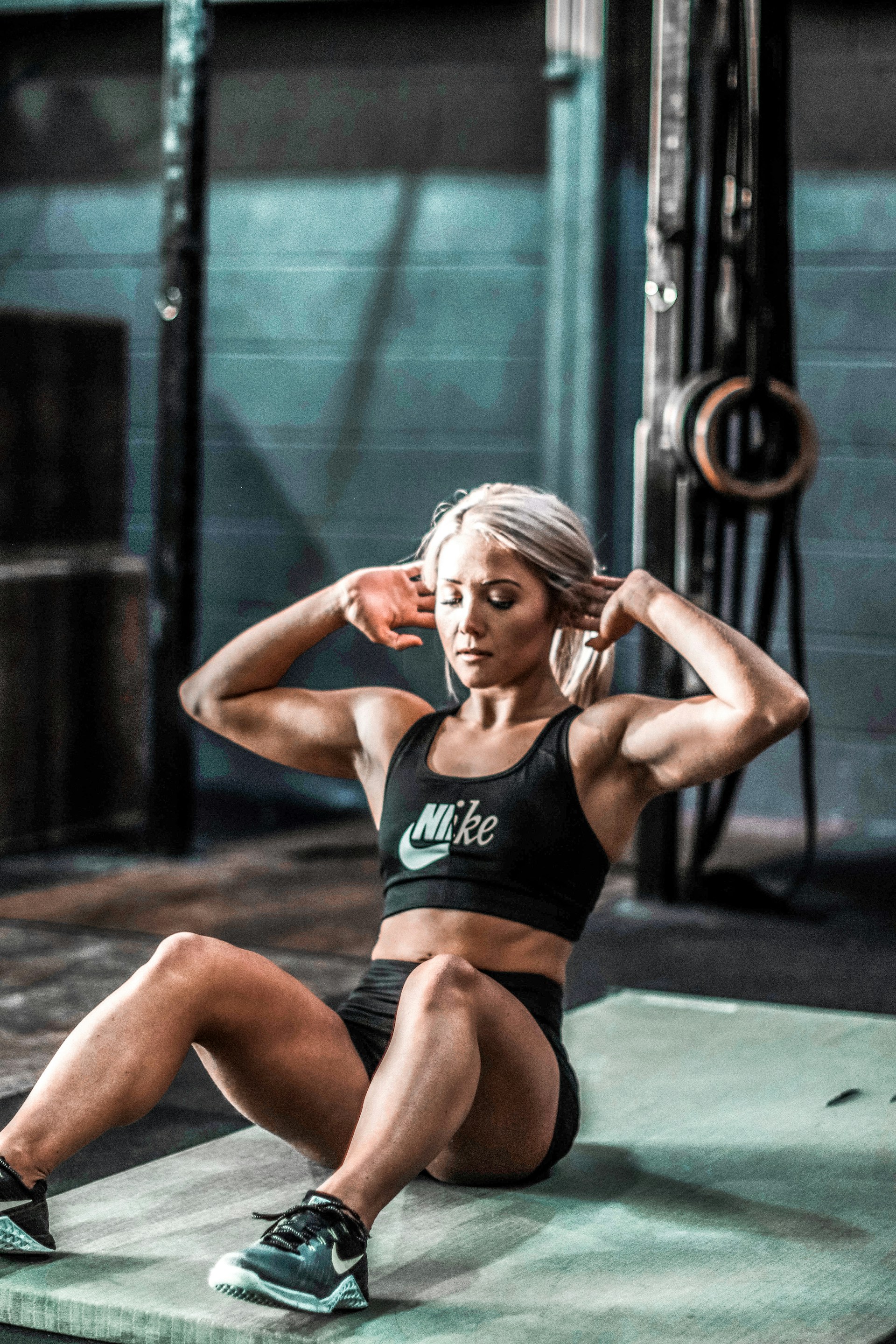
A Simple Home Workout Using Both
Use this 30-minute session two or three times per week. Keep the first round easy, then increase resistance only if form stays clean.
Warm-Up: Mini Loop Circuit
Do two rounds:
The goal is not fatigue. The goal is to wake up the hips and make the knees track cleanly.
Strength Block: Long Band Circuit
Do three rounds:
Rest 45 to 75 seconds between exercises. Stop each set with one or two clean reps left. If you need more resistance, step farther from the anchor, use a thicker band, or slow the lowering phase.
Mobility Finisher
Do one easy round:
Mayo Clinic notes that flexibility work can help improve range of motion and daily movement when performed consistently and safely (Mayo Clinic stretching guidance). Keep mobility tension gentle. More force is not better.
Buying Advice: What Should You Get First?
If your budget is tight, buy a long resistance band set first. It gives you the most exercise variety for the money. Look for multiple resistance levels, comfortable handles if you prefer tube bands, and a secure door anchor.
If your main goal is glute training, knee stability, or warm-ups before lifting, buy fabric mini loops first. They are more comfortable than thin latex loops for lower-body work and easier to use in quick sessions.
If you can buy both, do it. A mini loop set plus a long band set still takes less space than one dumbbell pair and covers far more home workout scenarios than either one alone.
FAQ
Are mini loop bands or long resistance bands better for beginners?
Long resistance bands are better if beginners want full-body strength workouts. Mini loop bands are better if beginners want glute activation, hip stability, knee control, and warm-ups. Most beginners benefit from owning both.
What exercises are mini loop bands best for?
Mini loop bands are best for glute bridges, lateral walks, monster walks, clamshells, squat warm-ups, standing hip abductions, and knee-tracking drills. They are especially useful for lower-body activation.
When are long resistance bands better?
Long resistance bands are better for rows, presses, pull-aparts, assisted pull-ups, deadlifts, squats, Pallof presses, face pulls, and mobility drills that need a larger range of motion or anchor point.
Can mini loop bands build muscle?
Yes, mini loop bands can build muscle in smaller movements, especially around the glutes and hips, but they are limited for full-body hypertrophy. For broader muscle building, long bands or weights provide more scalable loading.
Do I need both mini loop bands and long resistance bands?
You do not need both, but the combination is much more useful. Mini loops handle activation and stability. Long bands handle strength, mobility, and full-body training. Together, they create a compact home gym setup.


