
Mobility Training vs Stretching: The Short Answer
If your goal is to move better, lift with cleaner positions, reduce recurring tightness, and feel less stiff during daily life, mobility training usually beats static stretching by itself. Stretching can increase passive range of motion. Mobility training teaches your nervous system to control that range with strength.
That distinction matters. A deep squat does not only require flexible hips and ankles. It requires your hips, ankles, trunk, and feet to coordinate under load. Overhead pressing does not only require loose shoulders. It requires active shoulder flexion, thoracic extension, rib control, and scapular rotation. Static stretching can help open the door; mobility work teaches you to walk through it.
The best plan is not mobility training or stretching. It is mobility first, stretching when a specific tissue truly needs more length, and strength training to keep the new range usable.
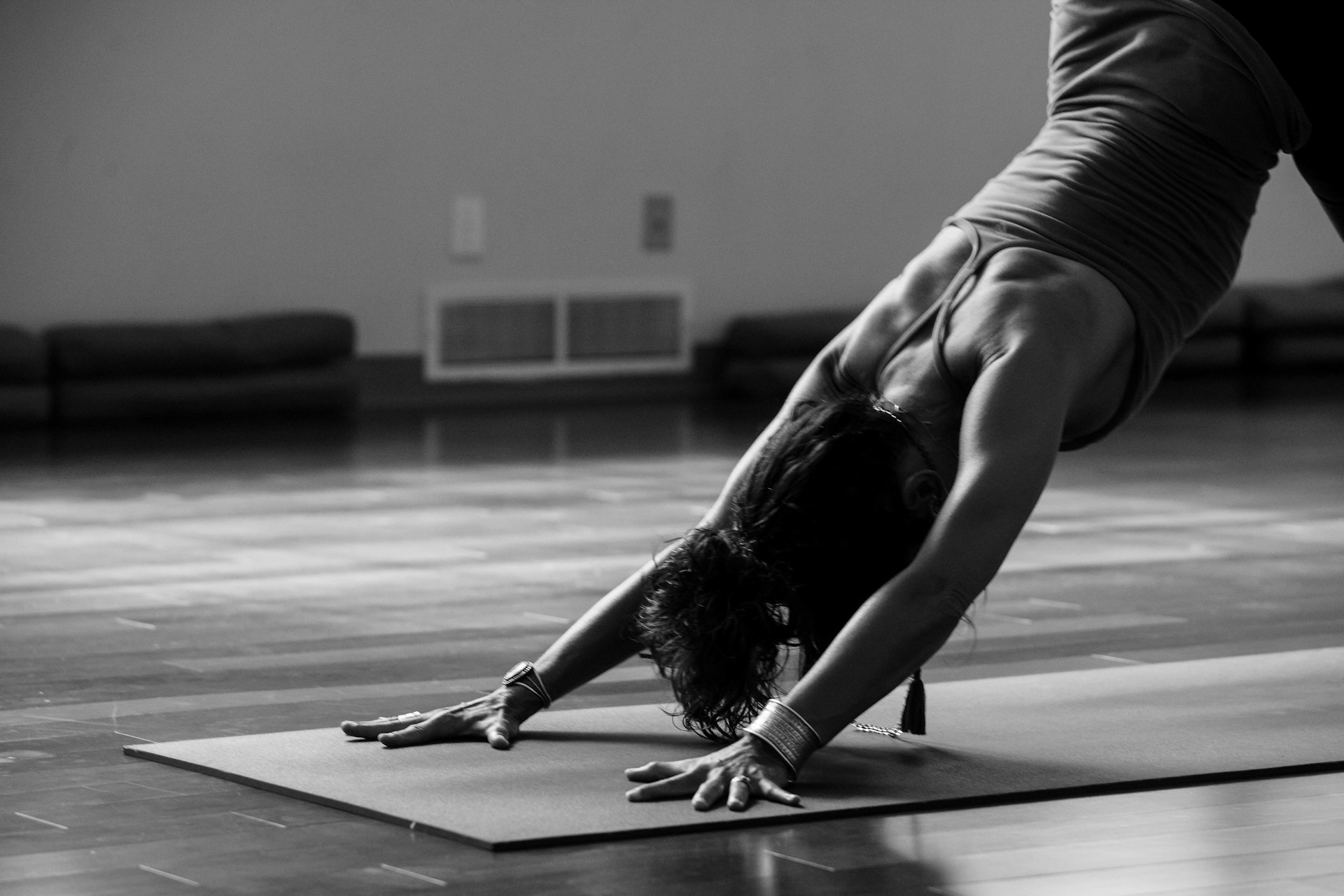
What Is Static Stretching?
Static stretching is holding a muscle in a lengthened position for a set time, usually 20 to 60 seconds. Think hamstring stretches, couch stretches, calf stretches, and doorway pec stretches.
Static stretching is useful when you have a true range-of-motion limitation. The American College of Sports Medicine recommends flexibility work at least two to three days per week, with daily work being effective for people trying to improve range of motion (ACSM flexibility guidance).
But static stretching has two limits:
That is why someone can stretch their hip flexors daily and still feel tight every time they squat, sit, or run. The body often protects ranges it cannot control.
What Is Mobility Training?
Mobility training is active range-of-motion work. It combines flexibility, motor control, joint stability, and strength near end range.
Examples:
- 90/90 hip switches instead of only holding a pigeon stretch
- Controlled articular rotations for shoulders, hips, and ankles
- Deep squat prying with active breathing and foot pressure
- Banded shoulder flexion drills with rib control
- Split squat iso-holds that load hip flexion and extension
- Banded glute bridges that teach the pelvis to move under control
Mobility work asks a better question than, “Can you get into this position?” It asks, “Can you own this position?”
That is the reason mobility work carries over better to squats, deadlifts, overhead presses, running mechanics, and daily movement. It is not just flexibility; it is usable flexibility.

The Real Difference: Passive Range vs Active Control
Here is the simplest way to test the difference.
Lie on your back and use your hands or a strap to pull one leg toward your chest. That is mostly passive hip flexion. Now stand tall and lift the same knee as high as possible without leaning back. That is active hip flexion.
If the passive version is much higher than the active version, you do not only have a flexibility issue. You have a control gap.
The same pattern shows up everywhere:
- You can pull your arm overhead with the other hand, but cannot reach overhead without arching your lower back.
- You can sit in a deep squat while holding a post, but collapse forward without support.
- You can stretch your calves, but your heels still rise when squatting.
Mobility training closes that gap by building strength and coordination in the range you want to use.
Does Stretching Still Matter?
Yes. Stretching is not useless. It is just incomplete.
Static stretching is especially helpful when:
- A muscle is genuinely short or guarded
- You need a low-effort recovery tool after training
- You are winding down before sleep
- You are working around a joint that does not tolerate loaded mobility yet
- You need to reduce tone before a mobility drill
For example, a couch stretch can be valuable for tight hip flexors. But if you follow it with a banded glute bridge, split squat, or hip airplane, the new hip extension range is more likely to stick. Stretch first, then teach the body what to do with that range.
Mayo Clinic makes the same practical point: stretching should be controlled, pain-free, and paired with broader movement habits rather than treated as a cure-all (Mayo Clinic stretching basics).
Why You Feel “Tight” Even After Stretching
Tightness is not always short tissue. Often, it is your nervous system asking for stability.
If your glutes are weak, your hip flexors may feel tight because the front of the hip is doing extra work to stabilize your pelvis. If your deep core is underactive, your lower back may feel tight because spinal erectors are guarding. If your upper back does not extend well, your shoulders may feel tight overhead even when the shoulder joint itself is fine.
This is why random stretching can feel good for 15 minutes and then vanish. You temporarily changed sensation, but you did not change the movement system.
Mobility training works better because it addresses the full pattern: joint position, muscle activation, breathing, strength, and coordination.
A Better Warm-Up Formula
Before training, use this order:
For a lower-body day, that might look like:
- 90/90 hip switches: 8 per side
- Ankle rocks: 10 per side
- Banded glute bridges with a Tribe Lifting fabric resistance band: 2 sets of 15
- Bodyweight squats with a 3-second pause: 2 sets of 8
For an upper-body day:
- Thoracic rotations: 8 per side
- Wall slides: 10 reps
- Banded pull-aparts with a light band: 2 sets of 15
- Scapular push-ups: 10 reps
This takes less than 10 minutes and prepares the exact ranges you are about to use.

Can Resistance Bands Improve Hip and Shoulder Mobility?
Yes, when used correctly. Bands are useful because they add light tension, feedback, and direction to mobility drills.
For hips, fabric loop bands work well for:
- Glute bridges
- Lateral walks
- Banded squats
- Hip airplanes with feedback
- 90/90 lift-offs
For shoulders, longer bands work well for:
- Banded pull-aparts
- Face pulls
- Shoulder dislocates
- Lat-biased overhead reaches
- External rotation drills
The key is to keep the resistance light enough that you can move smoothly. Mobility bands should not turn every drill into a max-effort strength set. For lower-body drills, the Tribe Lifting 5-pack fabric bands are a good fit because they do not roll up during glute bridges or lateral walks. For shoulder and full-body mobility, a longer set like the Tribe Lifting resistance band kit gives you handles and anchor options for face pulls, pulldowns, and assisted end-range work.
The 12-Minute Daily Mobility Routine
Use this on non-training days or as a morning reset.
1. Cat-Cow to Thread-the-Needle — 2 minutes
Move slowly through spinal flexion and extension, then rotate one arm under your body and reach the other direction. This opens the thoracic spine without forcing the lower back to do all the work.
2. 90/90 Hip Switches — 2 minutes
Sit in a 90/90 position and rotate side to side without using your hands if possible. Keep the chest tall and control the transition.
3. Half-Kneeling Hip Flexor Stretch With Glute Squeeze — 2 minutes
Hold 30 seconds per side, then add 10 small pulses while squeezing the back-side glute. This turns a passive stretch into active hip extension work.
4. Banded Glute Bridge — 2 minutes
Place a fabric band above your knees. Lift your hips, push your knees slightly out, and pause for two seconds at the top. This reinforces pelvic control after opening the hip flexors.
5. Wall Slides — 2 minutes
Keep ribs down, lower back neutral, and arms sliding up the wall. Stop before you compensate by arching.
6. Deep Squat Breathing — 2 minutes
Sit into a comfortable deep squat while holding a doorframe or post if needed. Take five slow breaths, then gently shift side to side. Keep the feet rooted.
Done daily, this routine builds the kind of mobility that shows up when you train, not just when you stretch on the floor.
How Often Should Beginners Do Mobility Training?
Beginners should start with 10 to 15 minutes, four to six days per week. Frequency matters more than intensity. Mobility improves fastest when your nervous system gets repeated low-threat exposure to better positions.
A good weekly structure:
- Before workouts: 5 to 10 minutes of targeted mobility
- On rest days: 10 to 15 minutes of full-body mobility
- Before bed: Optional static stretching for areas that feel genuinely tight
Do not chase pain. Mild discomfort is fine; sharp pain, pinching, numbness, or joint pressure is not. Harvard Health notes that mobility and balance work should be progressive and controlled, especially as people age or return after inactivity (Harvard Health mobility overview).
Related Reading
- 90-90 Hip Mobility Benefits: Does It Really Improve Squat Depth and Back Pain?
- Morning Mobility Routine for Tight Hips and Lower Back
- 7 Resistance Band Exercises to Fix Desk Posture
FAQ
What is the difference between mobility work and static stretching?
Static stretching improves passive range of motion by holding a muscle in a lengthened position. Mobility work improves active control by combining range of motion with strength, coordination, and joint stability. Stretching helps you access a position; mobility helps you use it.
Is mobility training better than stretching?
For movement quality, training carryover, and long-term control, mobility training is usually better. Stretching still helps when a specific muscle is short or when you want a low-intensity recovery tool. The best approach is to stretch where needed, then reinforce the range with active mobility or strength work.
How often should beginners do mobility training?
Start with 10 to 15 minutes, four to six days per week. Keep the drills easy enough to repeat consistently. Before workouts, use targeted mobility for the joints you will train that day. On rest days, use a short full-body routine.
Can resistance bands improve hip and shoulder mobility?
Yes. Bands provide feedback and light resistance, which helps activate stabilizing muscles during mobility drills. Fabric loop bands are especially useful for hip work like glute bridges and lateral walks, while longer bands are better for shoulder drills like pull-aparts, face pulls, and assisted overhead reaches.
Should I stretch before lifting weights?
Avoid long passive holds immediately before heavy strength work unless you have a specific restriction to address. A better warm-up is light movement, dynamic mobility, activation drills, and progressive ramp-up sets. Save longer static stretching for after training, rest days, or evening recovery.


