
How to Rebuild Leg Strength After Illness or a Long Layoff
The first mistake most people make after time off is trying to prove they are “back.” They pick the hike they used to do, the squat weight they remember, or the weekly step count that felt normal months ago. Then the legs ache for four days, the knees complain, motivation drops, and the comeback turns into another layoff.
A smarter plan is boring on purpose: start below your current capacity, repeat easy wins, and add one stressor at a time. If you are rebuilding leg strength after illness, injury clearance, high stress, travel, or a long sedentary stretch, your goal is not to crush one workout. Your goal is to make your legs more reliable every week.
This guide gives you a practical hiking and resistance band progression. It is built around three ideas: easy walking volume, controlled hill exposure, and simple band strength work for glutes, quads, hamstrings, calves, and hips.
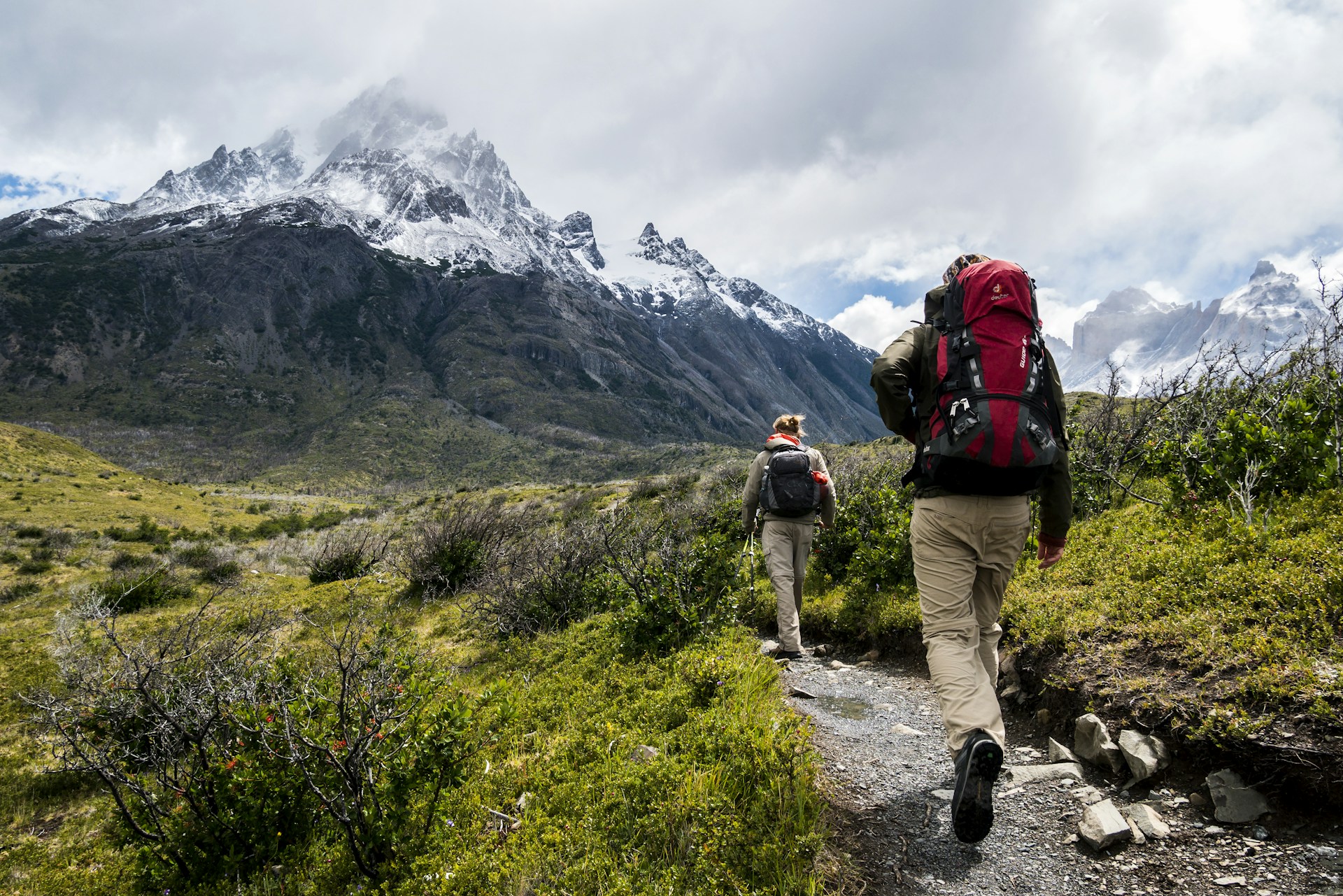
Start With Your Current Baseline, Not Your Old Fitness
Before choosing exercises, measure where you are now. Not where you were last summer. Not what your smartwatch says you “should” do. Current capacity wins.
Use this three-day baseline:
If you can walk 20 minutes and feel normal the next day, your starting point is probably 15 to 25 minutes. If 20 minutes leaves your legs heavy for two days, start with 8 to 12 minutes. That is not failure. That is accurate programming.
The American College of Sports Medicine recommends gradual progression for aerobic activity and strength training because tissues adapt to repeated manageable loads, not random spikes (ACSM physical activity guidance). For rebuilding, that means your first win is consistency without a flare-up.
The “One Variable” Rule
When leg strength is low, do not increase distance, speed, elevation, and strength volume in the same week. Pick one.
Good progressions look like this:
- Week 1: three flat walks of 15 minutes
- Week 2: three flat walks of 18 to 20 minutes
- Week 3: two flat walks plus one short hill walk
- Week 4: same walking, slightly more band strength work
Bad progressions look like this:
- Add a longer hike
- Add hills
- Add squats
- Add lunges
- Add a weighted backpack
- Wonder why your knees and calves hate you
A useful ceiling: increase total weekly walking or hiking volume by roughly 10 to 20 percent only if soreness, sleep, and energy are stable. If you feel unusually wiped out, repeat the week instead of forcing progress.
Phase 1: Rebuild the Walking Habit
Your first two weeks should feel almost too easy. That is the point. You are teaching your legs, feet, tendons, and nervous system that movement is safe again.
Week 1
- 3 to 5 walks
- 8 to 25 minutes each, depending on baseline
- Flat terrain
- Comfortable pace
- No weighted backpack
Week 2
- 3 to 5 walks
- Add 2 to 5 minutes to two walks if recovery is good
- Keep terrain mostly flat
- Add gentle mobility after walking
A good walking session should leave you feeling better than when you started. If you need a nap after every walk, the dose is too high.
Mayo Clinic’s general exercise guidance makes the same point for people restarting activity: begin gradually and build up as fitness improves rather than jumping straight into demanding sessions (Mayo Clinic fitness basics).

Phase 2: Add Band Strength Twice Per Week
Once flat walking feels predictable, add two short strength sessions per week. Resistance bands are useful here because they let you train the hips and legs without heavy joint loading. They also make it easy to work at home on the days between walks.
Use this 18-minute session:
1. Banded Glute Bridge — 2 sets of 12 to 15
Place a fabric loop band above your knees. Drive through your heels, lift your hips, and gently push your knees out. Pause for one second at the top.
This rebuilds hip extension, which matters for hiking, stair climbing, and getting power from the glutes instead of dumping everything into the lower back.
2. Sit-to-Stand Squat — 2 sets of 8 to 12
Sit to a chair or bench, stand tall, then lower with control. Keep the range easy. If bodyweight is too easy, add a light band above the knees or hold a slow three-second lower.
3. Banded Lateral Walk — 2 sets of 8 steps each way
Use a fabric band above the knees or around the ankles. Stay tall, keep tension on the band, and step slowly. This trains the glute medius, a key muscle for knee tracking and pelvis control on uneven trails.
4. Romanian Deadlift Pattern — 2 sets of 10
Start bodyweight. Push your hips back, keep your ribs down, and feel the hamstrings load. Progress later by standing on a long resistance band and holding the handles.
5. Calf Raise — 2 sets of 12 to 20
Use a wall for balance. Rise slowly, pause, and lower under control. Calves and Achilles tendons often get angry when people add hills too fast, so build them before the terrain gets steep.
For lower-body band work, fabric bands such as the Tribe Lifting fabric resistance bands are practical because they stay in place during glute bridges and lateral walks. For hip hinges, rows, and anchored work, a longer kit like the Tribe Lifting resistance band set gives you handles and a door anchor without needing a full gym.
Phase 3: Bring Back Hills Carefully
Hills are strength training in disguise. Uphill hiking loads glutes, quads, calves, and lungs. Downhill hiking adds eccentric stress, especially to the quads and knees. That is why a short hilly route can cause more soreness than a longer flat walk.
Start with hill “snacks”:
- 5 minutes flat warm-up
- 3 to 5 short uphill segments of 30 to 60 seconds
- Walk back down slowly
- Stop before form breaks
- Finish with flat walking
Do this once per week at first. If the next day feels fine, add one more uphill segment the following week. Do not add a long mountain hike just because the first hill session went well.
Research on return-to-activity planning consistently supports graded exposure: controlled, progressive increases help rebuild capacity while reducing the risk of symptom spikes. The National Institute of Arthritis and Musculoskeletal and Skin Diseases gives similar advice for joint and muscle health: choose appropriate activity, progress gradually, and pay attention to pain signals (NIAMS exercise and joint health).
A 6-Week Rebuild Plan
Use this as a template and scale the minutes down if needed.
Week 1: Restart
- Walk 3 times, 10 to 20 minutes
- Mobility 5 minutes after each walk
- No hills unless already easy
Week 2: Repeat and Stabilize
- Walk 3 to 4 times, 12 to 25 minutes
- Add one easy band session
- Keep effort conversational
Week 3: Add Strength
- Walk 3 times
- Band strength twice
- One walk can include gentle rolling terrain
Week 4: Add Short Hills
- Walk 3 times
- Band strength twice
- One session with 3 to 5 short hill repeats
Week 5: Build Duration
- One slightly longer walk or easy hike
- One hill snack session
- Two band sessions
- Keep one full rest day between harder days
Week 6: Test, Do Not Max Out
- Choose a moderate hike below your old best
- Keep pace easy
- Stop before your form gets sloppy
- Use soreness the next day to decide whether to progress or repeat
This plan works best if you treat recovery as data. Mild muscle soreness is normal. Joint pain, limping, sharp pain, swelling, unusual fatigue, or soreness that gets worse across the week means back off and repeat an easier dose.
Recovery Rules That Keep the Plan Moving
Leg strength returns faster when recovery is predictable.
Use these rules:
- Keep hard days separated by at least 24 to 48 hours.
- Sleep more when volume goes up.
- Eat enough protein, especially if illness reduced appetite.
- Warm up before hills, not halfway through them.
- Progress only when the next morning feels acceptable.
If you are returning after a medical illness, surgery, significant weight loss, dizziness, chest symptoms, or unexplained fatigue, get medical guidance before pushing intensity. This article is training education, not a clearance note.
Related Reading
- The 5 Best Recovery Techniques for Sore Muscles
- Morning Mobility Routine for Tight Hips and Lower Back
- Mobility Training vs Stretching: What Actually Helps You Move Better?
FAQ
How long does it take to rebuild leg strength after illness or a layoff?
Most people notice better walking tolerance within two to four weeks, but meaningful leg strength usually takes six to twelve consistent weeks. The timeline depends on how long you were inactive, your previous training level, sleep, nutrition, and whether symptoms return when volume increases.
Should I start with walking or strength training?
Start with walking if basic activity still feels hard. Add strength training once you can recover from easy walks without unusual soreness or fatigue. If walking already feels fine, combine three walks with two short band sessions each week.
Are resistance bands enough to rebuild hiking strength?
Bands are enough for the early and middle stages because they train glutes, hips, hamstrings, quads, and calves with low setup and adjustable tension. Later, steeper hikes, step-ups, weighted carries, dumbbells, or gym lifts can add heavier loading.
When should I add hills after a long break?
Add hills after one to two weeks of flat walking feels stable. Start with short uphill repeats, not a full steep hike. Downhill volume should progress even more carefully because it creates more quad and knee soreness.
What signs mean I am progressing too fast?
Back off if soreness lasts more than 48 hours, joints feel sharp or swollen, your walking form changes, fatigue builds across the week, or easy sessions suddenly feel hard. Repeat the previous week instead of pushing through.


