
Why Recovery Is the Most Underrated Part of Your Training Plan
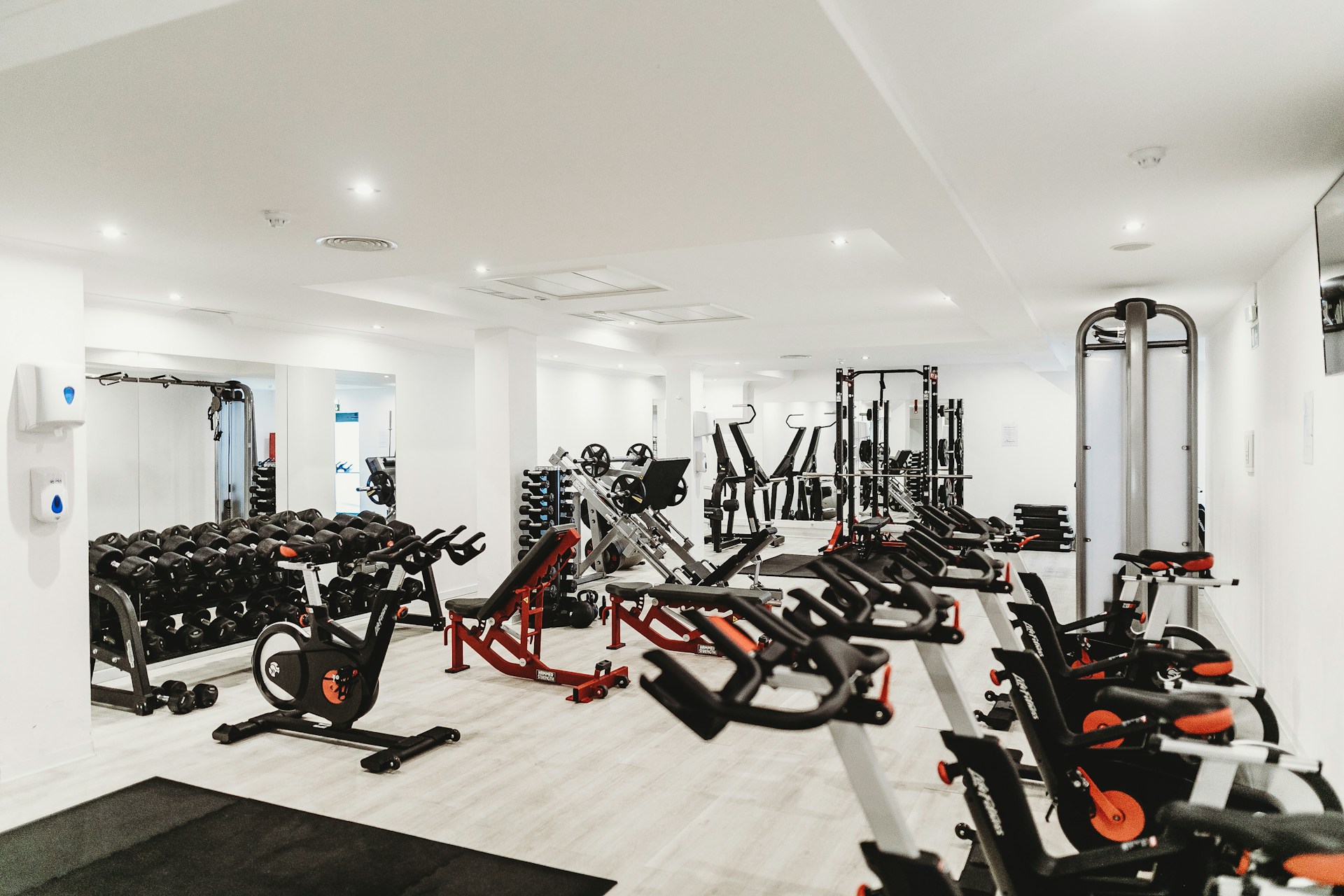
Most gym-goers track their workouts obsessively. They log sets, reps, weights, and progression. They optimize nutrition and sleep duration. But one thing most people consistently under-invest in? Recovery — the phase where every adaptation they worked so hard for actually happens.
In 2026, ACE Fitness ranked recovery as a top emerging fitness trend, not because it's new, but because research is finally making it impossible to ignore. Here's what the science says about recovery as training — and how to schedule it like a pro.
Why Recovery Isn't Resting — It's Adapting
The confusion starts with what the word "recovery" suggests. Rest implies doing nothing. But physiologically, recovery is when your body does the most important work.
During resistance training, you create mechanical tension, metabolic stress, and micro-damage in muscle fibers. None of that makes you stronger on its own. The adaptation — muscle protein synthesis, mitochondrial biogenesis, neuromuscular reorganization — happens during recovery. Training is the stimulus. Recovery is the response.
A meta-analysis published in the Journal of Strength and Conditioning Research confirmed that muscle protein synthesis peaks 24–48 hours post-exercise and remains elevated for up to 72 hours in trained individuals (Morton et al., 2015). If you return to training before that window closes, you interrupt the adaptation process — not accelerate it.
This is why elite coaches increasingly talk about "training readiness" rather than just "training volume." The question isn't only what you did in the gym — it's whether your body has recovered enough to actually benefit from the next session.
How Much Recovery Time Do You Actually Need?
The honest answer: it depends on the individual, the training modality, and the session intensity. But there are evidence-based guidelines.
For resistance training: The ACSM recommends 48–72 hours between sessions targeting the same muscle group for most individuals. Beginners and older adults tend to need the full 72 hours; trained athletes may recover in 24 hours following lower-volume sessions.
For high-intensity cardio: Moderate aerobic sessions recover in 24–48 hours. HIIT is more demanding — a 2019 systematic review in Sports Medicine found that maximal power output can be suppressed for up to 72 hours after a HIIT session in some subjects (Wiewelhove et al., 2019).
For your nervous system: Recovery isn't just muscular. The autonomic nervous system — the balance between sympathetic (fight-or-flight) and parasympathetic (rest-and-digest) activity — is profoundly affected by training load. Chronic training without sufficient recovery suppresses parasympathetic activity, one of the earliest measurable markers of overtraining syndrome.
If you want to track your recovery readiness objectively, heart rate variability (HRV) provides a real-time window into your autonomic state. We cover how to use HRV data in detail here: HRV and Recovery: A Science-Based Training Guide.
Active vs Passive Recovery: What the Science Actually Shows
This is one of the most debated questions in fitness — and the research delivers a nuanced answer.
Passive recovery means minimal activity: sleeping, sitting, light walking. It's the default method and it works, particularly in the acute window after high-damage training when inflammation management is the priority.
Active recovery means low-intensity movement: walking, yoga, mobility work, light cycling. The proposed mechanism is that movement increases blood flow, accelerating lactate clearance and nutrient delivery to recovering tissue.
A 2018 meta-analysis in Sports Medicine analyzed 26 studies and found that active recovery outperformed passive recovery for reducing blood lactate levels and perceived muscle soreness in the 24–48 hour post-exercise window (Ortiz et al., 2018). However, the benefit appeared only when active recovery intensity stayed below 60% of maximum heart rate — above that threshold, the additional load begins to impair rather than support recovery.

The practical takeaway: Active recovery works — but only if it's genuinely low intensity. A "light" session that drifts into moderate intensity undoes the benefit. Easy walking, gentle yoga, resistance band mobility circuits, or slow cycling all qualify. Anything that has you breathing hard doesn't.
For a structured active recovery session you can use immediately, see our Active Recovery Day Routine for 2026.
The Recovery Factor Most People Underestimate: Sleep
No discussion of recovery is complete without addressing sleep — the most powerful recovery tool available, and the one most people chronically shortchange.
During slow-wave (deep) sleep, the pituitary gland releases 70–80% of the day's growth hormone, a key driver of muscle protein synthesis and tissue repair. A study published in the Journal of the American Medical Association found that subjects sleeping 5.5 hours per night for 14 days lost significantly more fat-free mass compared to those sleeping 8.5 hours, even under identical caloric restriction (Nedeltcheva et al., 2010). Less sleep meant less muscle preserved — regardless of diet.
Seven to nine hours for adults isn't a lifestyle preference. For athletes in training, it's a physiological requirement.
Evidence-based sleep habits for athletes:
- Consistent sleep and wake times, including weekends — circadian rhythm stability matters for hormone release timing
- Room temperature between 65–68°F (18–20°C) — core body temperature must drop for deep sleep onset
- Eliminate blue-spectrum light 90 minutes before bed to protect melatonin production
- Treat the hour before sleep as a wind-down block, not a continuation of screen time
How to Schedule Recovery Like a Workout
Here's the mindset shift that separates recreational exercisers from people who make consistent long-term progress: recovery sessions belong in the calendar with the same commitment as training sessions.
This doesn't mean blocking 48-hour rest periods after every workout. It means designing your week so recovery is a built-in feature, not an afterthought triggered by exhaustion.
A practical weekly structure for someone training 4 days per week:
| Day | Session | Recovery Focus |
|-----|---------|---------------|
| Monday | Resistance — upper body | Sleep, post-workout protein |
| Tuesday | Resistance — lower body | Sleep, post-workout protein |
| Wednesday | Active recovery | Mobility, walking, band work |
| Thursday | Resistance — upper body | Sleep, post-workout protein |
| Friday | Resistance — lower body | Sleep, post-workout protein |
| Saturday | Active recovery or LISS cardio | Keep HR below 60% max |
| Sunday | Full rest | Sleep, nutrition, reset |
This structure ensures each muscle group gets at least 72 hours between heavy sessions, with active recovery days maintaining movement quality without adding recovery debt.
For a fully periodized version with progressive overload built in, see the Structured Recovery Training Plan for 2026.
Supporting Recovery With the Right Equipment
Recovery isn't only about what you avoid — it's about what you actively support.
On heavy training days: Reducing cumulative joint and connective tissue stress lowers the repair burden your body carries into recovery. The Tribe Lifting weight lifting belt provides lumbar stabilization during compound movements — squats, deadlifts, and heavy rows — reducing spinal loading that accumulates across a high-volume session. Paired with lifting straps, it shifts fatigue away from grip and into the target muscles, allowing better quality volume before fatigue becomes the limiting factor.
On active recovery days: Low-load resistance band work promotes blood flow and movement without adding meaningful training stress. The Tribe Lifting fabric resistance bands are well-suited for glute activation, hip mobility circuits, and light upper-body pump work — all of which support recovery without creating new tissue damage to repair.
The Overtraining Warning Signs Most People Recognize Too Late
Overtraining doesn't announce itself with a clear signal. It accumulates gradually, and most people catch it only in retrospect. Research-supported early warning signs include:
- Persistent fatigue that doesn't resolve with a single rest day
- Mood disturbance — irritability, anxiety, or declining training motivation are early autonomic markers
- Performance regression across multiple sessions despite consistent effort
- Elevated resting heart rate — 5+ bpm above your personal baseline for 2+ consecutive days
- Sleep disruption — difficulty falling or staying asleep despite high fatigue levels
If you're experiencing three or more of these simultaneously, a 5–10 day reduced-load recovery block is the evidence-based response. Pushing through overtraining doesn't build mental toughness — it delays adaptation and elevates injury risk.
FAQ
How often should you take a full rest day?
Most evidence supports 1–2 full rest days per week for recreational athletes. This doesn't mean complete inactivity — light walking, stretching, or incidental movement is fine. The goal is avoiding structured, high-intensity load that generates additional recovery demand.
Does nutrition affect recovery speed?
Substantially. Post-workout protein synthesis is blunted without adequate amino acid availability. The International Society of Sports Nutrition recommends 0.25–0.4g of protein per kg of bodyweight within 2 hours post-exercise to maximize the anabolic response (Stokes et al., 2018). Carbohydrates restore glycogen, and creatine monohydrate has the strongest evidence of any supplement for supporting both performance and recovery.
Is muscle soreness a reliable recovery indicator?
Not reliably. DOMS typically peaks 24–72 hours post-exercise and reflects the inflammatory response, not necessarily structural damage requiring extended rest. Some individuals experience significant soreness with minimal damage; others experience minimal soreness with significant damage. HRV, resting heart rate, and subjective energy levels are better recovery proxies than soreness alone.
What's the difference between a deload week and a rest week?
A deload week reduces training volume — typically by 40–60% — while maintaining frequency and some intensity. A rest week eliminates or minimizes structured training entirely. Deloads are more commonly appropriate and should be programmed every 4–8 weeks in structured training. Full rest weeks are best reserved for the end of long training blocks or following competition.
Can you still build muscle with poor recovery?
In the short term, yes — adaptation continues even under suboptimal conditions. But chronic recovery neglect produces plateau, then regression. You cannot consistently outperform insufficient recovery over months or years of training. The ceiling imposed by poor recovery is the most common reason intermediate lifters stop progressing despite continued effort.


