
AI-Powered Workout Programming: How Wearables Are Replacing Guesswork in 2026
For the past decade, most fitness advice followed a predictable script: pick a 12-week program, stick to it, and hope it fits your life and recovery capacity. The problem is that no fixed program accounts for the night you got four hours of sleep, the work stress that tanked your nervous system, or the fact that last Thursday's leg day hit differently than expected.
AI workout programming changes that. In 2026, the combination of consumer wearables and adaptive training algorithms has made personalized, responsive programming genuinely accessible — and the data on whether it actually works is starting to accumulate.
According to the American College of Sports Medicine's Top Fitness Trends Report, AI-powered fitness apps and wearable-integrated training platforms rank among the fastest-growing segments in the industry, with adoption accelerating sharply since 2024 (ACSM, 2026 Fitness Trends). The American Council on Exercise echoed this in its 2026 trend analysis, identifying technology integration and personalization as the two dominant forces reshaping how people train (ACE Fitness, 2026 Trends).
What Is AI Workout Programming, Exactly?
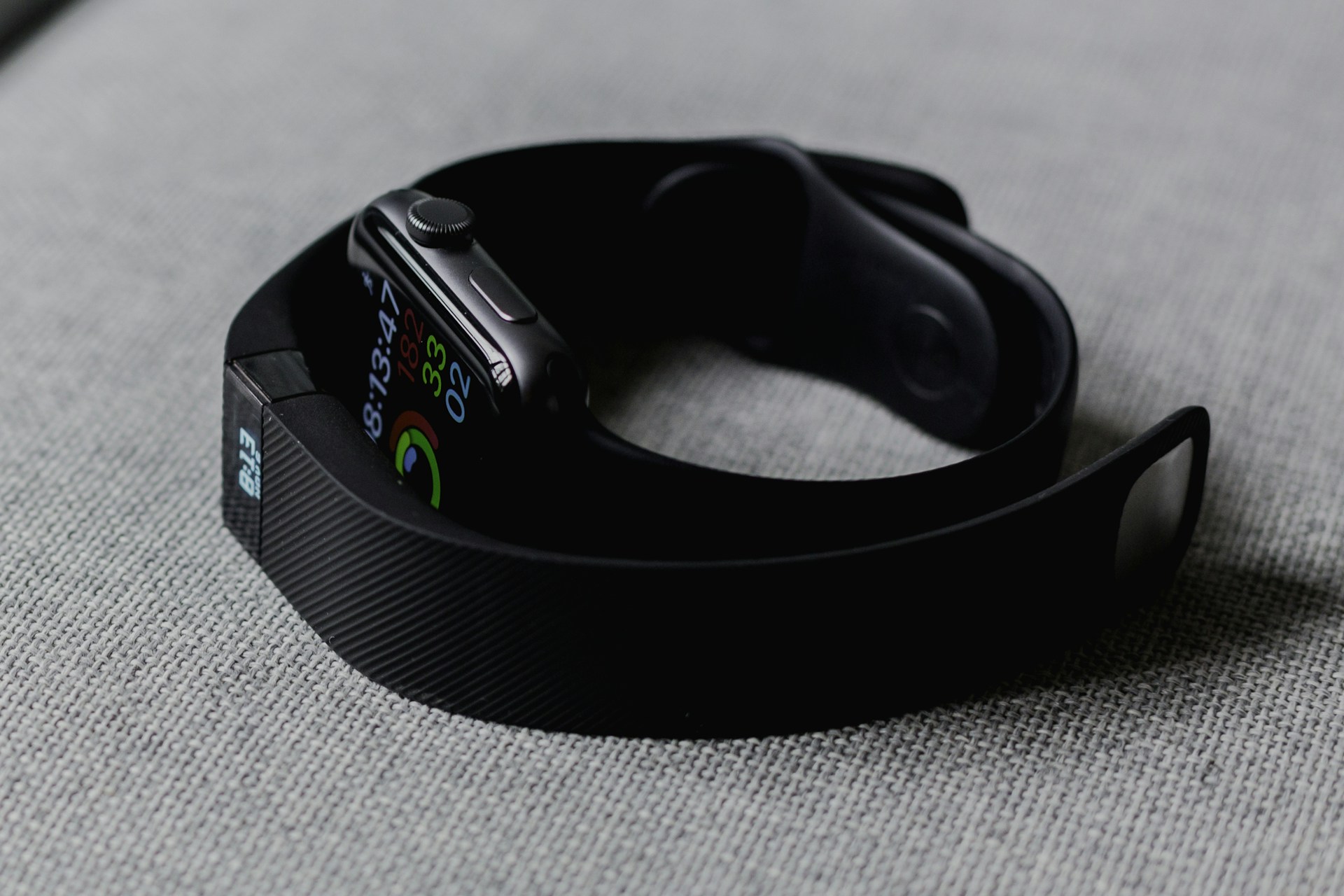
Traditional workout programs are static — they tell you to do 3×8 squats on Monday regardless of how your body actually responded to Sunday's long run. AI workout programming is adaptive: it reads biometric data from your wearable in real time and adjusts volume, intensity, and exercise selection accordingly.
The core inputs most AI training platforms use:
- Heart rate variability (HRV): The most reliable proxy for nervous system recovery state. Lower-than-baseline HRV signals stress accumulation and predicts performance decrements in high-intensity training (Plews et al., 2013, International Journal of Sports Physiology and Performance).
- Resting heart rate: Trending upward over several days indicates incomplete recovery; trending downward alongside stable HRV suggests positive adaptation.
- Sleep data: Total sleep time, sleep stages, and consistency are strong predictors of next-day strength performance and injury risk.
- Cumulative training load: Stress from previous sessions factored through algorithms that model individual recovery curves.
When these inputs feed into an adaptive programming engine, the result is a training plan that looks like a skilled coach is reviewing your data every morning — and adjusting accordingly.
Can AI Actually Program Better Workouts Than a Human Trainer?
The honest answer: for the variables it can measure, often yes. For the variables it can't, still no.
A 2022 study published in Sports Medicine analyzed adaptive load management algorithms against fixed periodization models for endurance athletes. Data-driven adaptive protocols produced better performance outcomes and reduced injury rates by approximately 24% over a 16-week block (Halson et al., 2022, Sports Medicine). The mechanism was simple: the algorithm reduced training load on days when recovery markers were poor, rather than blindly following the weekly schedule.
For strength training, the evidence is more mixed. AI platforms excel at managing volume and fatigue accumulation. They are poor at assessing movement quality, identifying compensation patterns, or adapting to psychological factors that don't appear in wrist-worn sensors. A seasoned coach watching your squat will catch the valgus knee collapse that no app can detect.
The practical conclusion: AI workout programming outperforms any static program followed blindly. It does not yet outperform a skilled human coach who is actively present — but skilled coaches are expensive, and AI is available at 5 a.m. for a fraction of the cost.
Which Wearables Integrate With AI Training Apps in 2026?
Not all wearables are created equal for training optimization. Critical specs to prioritize:
Apple Watch Series 10+ with training apps: Integrates with multiple AI training platforms via HealthKit. Strong sleep tracking and HRV measurement. Works best with third-party apps like RISE or Gentler Streak that interpret Apple Health data into actionable training recommendations.
Garmin Forerunner / Fenix series: Garmin's built-in Body Battery and Training Readiness scores are among the most validated consumer AI training metrics available. The platform uses HRV Status (measured during sleep) to generate daily readiness scores that directly influence training recommendations within Garmin Connect.
Whoop 4.0: The wearable purpose-built for training optimization. Whoop's strain and recovery scores are calculated continuously and fed into their coaching algorithm, which generates specific training recommendations — not just readiness numbers. The underlying metrics have a solid evidence base (Flatt & Hornikel, 2019, International Journal of Sports Physiology and Performance).
Oura Ring 4: Excellent for sleep and readiness scoring, less useful for real-time workout tracking. Best used for morning programming decisions rather than in-session adjustments.
How Real-Time Data Changes How You Train
The most immediate behavioral change people report after adopting AI-driven training is learning to take low-readiness days seriously.
Before wearables, pushing through fatigue felt like mental toughness. With data, it becomes legible as what it actually is: accumulated stress that compounds if ignored. When your HRV is 20% below your 7-day baseline, your body is telling you something your motivation is actively trying to suppress.
Our detailed guide to using HRV data to schedule recovery days covers exactly how to read and act on these signals — including the thresholds used by elite coaches and what to do when your numbers are consistently down.
The second major shift is precision in progressive overload. AI platforms track every set, rep, and load, then model your adaptive response over time. Load increases happen when your performance data indicates readiness — not because it's "week 4 of the mesocycle." This is the principle underlying all effective strength development, explained in our progressive overload guide.
The Equipment That Matches What AI Programs
When an AI system assigns a resistance band circuit as your moderate-intensity training day, the output is only as good as the equipment you have available. AI doesn't know if your bands are worn out, too light, or missing the resistance range needed for the exercises it's generating.
Resistance band-based programming is what AI platforms assign most frequently for moderate-intensity days when readiness is reduced. The Tribe Lifting resistance band set provides five resistance levels, handles, ankle straps, and a door anchor — covering every exercise category AI apps typically program: rows, presses, chops, rotations, and lower body work.
For high-readiness strength days — the sessions AI programs with elevated intensity when your recovery is optimal — wrist support becomes relevant. The Tribe Lifting wrist wraps are worth having available for pressing movements when intensity is elevated. AI-based programming tends to concentrate heavy work precisely when you're most recovered, which means those sessions often end up being your heaviest of the training block.
What AI Can't Replace in 2026
To be precise about the current limitations:
Technique coaching. No consumer wearable provides real-time movement analysis with meaningful fidelity. Cameras with AI pose estimation are improving rapidly, but setup friction keeps them from being plug-and-play for most users.
Motivation and accountability. Research on human coaching is clear: coach-athlete relationships produce adherence effects that no algorithm currently replicates (Teixeira et al., 2012, International Journal of Behavioral Nutrition and Physical Activity).
Injury-specific adaptation. If you have a shoulder issue, the AI doesn't know to avoid overhead pressing. Manual adjustment for injury management still requires human judgment.
Context sensitivity. An algorithm doesn't know you have a high-stakes presentation tomorrow, are traveling next week, or that Wednesday is your only day with childcare. The best AI platforms are adding natural language interfaces to capture some of this — but it remains a gap where human judgment wins.
The practical approach for 2026: use AI and wearables for day-to-day load management and readiness decisions. Layer a coach or structured program template for technique, periodization planning, and accountability. As covered in our hybrid training program guide, combining multiple inputs beats relying on any single system.
---
FAQ
Do I need an expensive wearable for AI workout programming to work?
No. Apple Watch Series 4 or newer, any Garmin Forerunner from 2022+, or any HRV-capable wearable works with most AI training platforms. Whoop is the most purpose-built option, but the core metrics are accessible on most modern fitness wearables.
Which AI training apps actually work in 2026?
The most validated platforms are Garmin's Training Readiness system, Whoop Coach, and Gentler Streak for Apple Health users. For resistance training specifically, Hevy and KILO have added AI load recommendations. Avoid apps that claim "AI personalization" but simply offer generic programs with your name attached.
Can AI workout programming help with weight loss?
Indirectly, yes. It optimizes training quality — harder efforts when recovered, lighter work when depleted — which maximizes the metabolic stimulus from each session. It doesn't replace nutrition tracking or caloric management, but it improves the quality of the training side of the equation.
How long does it take for AI to learn your patterns?
Most platforms need 2–4 weeks of consistent data before recommendations become meaningfully personalized. The first month should be treated as baseline calibration rather than final guidance.
Is AI workout programming safe for beginners?
Generally yes. AI platforms tend to be more conservative with volume increases than ambitious beginners are, which functions as a safety feature. The gap is technique — beginners benefit most from human coaching on movement patterns before loading them with intensity.
Does AI-based training replace periodization?
No — it operates within a periodization framework. AI manages day-to-day variation in intensity and volume; periodization provides the macro-structure (training blocks, peaks, tapers). The two are complementary rather than competing approaches.


