
Best Lifting Straps for Deadlifts in 2026: 6 Sets Tested and Ranked
If your grip fails before your back, hamstrings, or hips — you are not training your posterior chain, you are training your forearms. Lifting straps fix that problem. By wrapping around the bar and your wrist, they transfer the load from your grip to the bones of your forearm, letting you pull as heavy as your legs and back can handle.
This guide ranks the six best lifting straps available in 2026, based on durability, wrist comfort, security under load, and value. Whether you are a recreational gym-goer pulling 225 lb or a serious lifter chasing a 500 lb deadlift, there is a strap here that will outlast the rest of your gear.
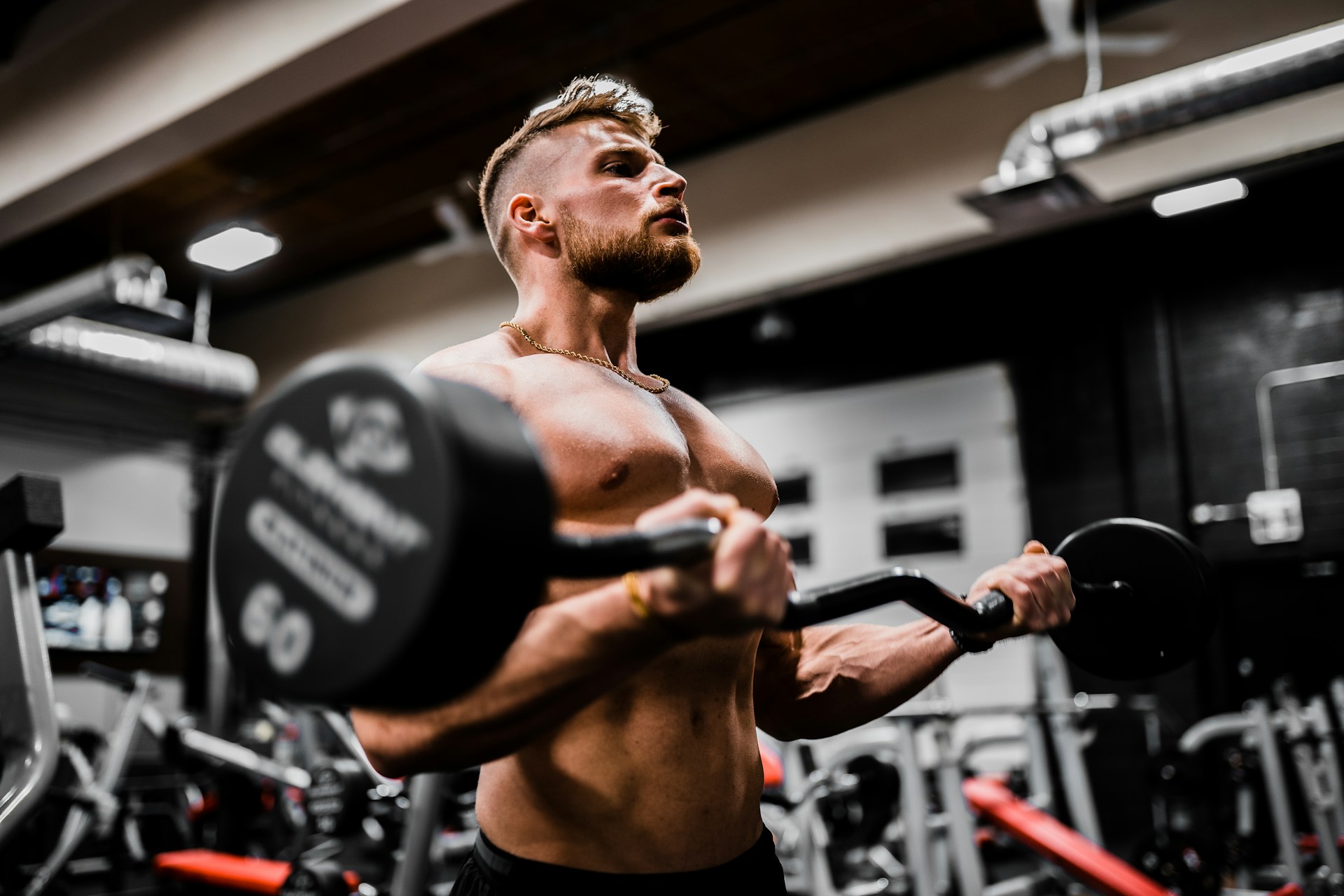
Why Lifting Straps Actually Matter (The Science)
Grip strength is a genuine performance limiter in pulling movements. A 2018 study published in the Journal of Strength and Conditioning Research found that grip failure significantly reduces training volume in deadlifts and barbell rows before the target muscles reach true fatigue (JSCR, 2018). When grip gives out first, you are cutting the set short not because your posterior chain is done — but because your hands are.
The National Strength and Conditioning Association (NSCA) recommends lifting straps for maximal-load pulling exercises specifically because they eliminate grip as the performance-limiting variable, allowing the target musculature to be trained to true fatigue (NSCA, 2021).
Straps do not make you weaker. Grip strength is still developed through warm-up sets performed without straps, accessory work, and everyday training. Straps are a tool for your heaviest work — not a crutch for every set.
What to Look for in Lifting Straps
Material: Cotton straps are durable and grip-friendly for most lifters. Nylon straps are stiffer and last longer under extreme loads. Leather straps are the most durable but require a break-in period.
Length: 18–22 inches is standard. Longer straps give more wraps around the bar for more security; shorter straps are faster to set up.
Wrist padding: Important for high-volume training. Unpadded straps dig into the wrist over many sets.
Loop style: Lasso straps (most common) thread through a loop and wrap around the bar. Figure-8 straps lock you to the bar — great for maximals, but you cannot drop the bar quickly.
Thickness: Thicker straps do not stretch under load. Thin straps can bite into the bar and create uneven tension.
---
The 6 Best Lifting Straps for Deadlifts in 2026
1. Tribe Lifting Lifting Straps — Best Overall for Serious Lifters
Rating: 4.8/5 | ASIN: B0D3JF923N | Best for: Heavy deadlifts, rows, RDLs
Tribe Lifting straps are built from thick, tightly woven cotton with reinforced stitching at the loop junction — the failure point on cheaper straps. At 21.5 inches, they provide enough length for multiple bar wraps without leaving excess dangling. The wrist area is lightly padded, which matters when you are doing 5 sets of heavy RDLs.
The lasso design is fast: loop on wrist, thread through, wrap around bar, tension. Under load, the cotton grips the knurling and does not slip.
Pros: Thick cotton construction, reinforced stitching, comfortable wrist fit, fast lasso setup
Cons: No carrying pouch
Price: ~$15 | Buy on Amazon
---
2. Harbinger Big Grip Padded Lifting Straps — Best for High-Volume Training
Rating: 4.7/5 | ASIN: B000VDOUWG | Best for: High-rep back work, rows, rack pulls
Harbinger has been making lifting accessories since 1988, and their Big Grip padded straps remain a bestseller for good reason. The neoprene wrist pad is genuinely thick and distributes pressure well across the entire wrist — a noticeable comfort upgrade over unpadded straps during 4–5 exercise sessions.
The nylon construction is stiffer than cotton but extremely durable. These straps are the go-to choice for lifters who spend long sessions doing multiple pulling movements back to back.
Pros: Excellent wrist padding, nylon durability, trusted brand with decades of refinement
Cons: Slightly bulkier setup than minimal straps, higher price
Price: ~$20 | Available on Amazon
---
3. Rogue Ohio Lifting Straps — Best for Powerlifters
Rating: 4.9/5 | ASIN: B07BKXB6SC | Best for: Maximal deadlifts, competition prep
Rogue's Ohio straps are 1.5 inches wide, made from heavy-duty cotton canvas, and stitched to withstand loads that would destroy cheaper alternatives. If you are pulling 400 lb or more regularly, these are the straps that keep up. The minimalist design means they set up fast and stay clean. Many powerlifters prefer unpadded straps because the bar feedback is cleaner.
Pros: Bulletproof construction, wide strap surface, outstanding longevity
Cons: No wrist padding, premium price
Price: ~$25 | Available on Amazon
---
4. Dark Iron Fitness Leather Lifting Straps — Best Premium Option
Rating: 4.6/5 | ASIN: B00JGJ8CJA | Best for: Lifters who want maximum durability
Full-grain leather straps are the gold standard for longevity. Dark Iron Fitness leather straps require a break-in period of about 2–3 weeks of regular use, but once broken in they conform to your wrist and bar diameter. Leather does not stretch under load the way thin cotton can, and it develops grip character over time.
Pros: Exceptional durability, improves with age, zero stretch under max load
Cons: Stiff until broken in, requires maintenance, higher price
Price: ~$30 | Available on Amazon
---
5. Gymreapers Lifting Straps — Best Budget Pick
Rating: 4.5/5 | ASIN: B07NQJMC2N | Best for: Beginners, occasional use
Gymreapers produces solid entry-level straps at a price point that makes them easy to try. The cotton construction is serviceable, stitching is adequate for recreational loads, and the 18-inch length handles most standard bar wrapping. For lifters pulling under 300 lb who want to explore straps before committing to a premium option, these deliver good value.
Pros: Low price, decent construction, good starting point
Cons: Less durable stitching under heavy loads, no wrist padding
Price: ~$10 | Available on Amazon
---
6. Versa Gripps PRO — Best Alternative to Traditional Straps
Rating: 4.7/5 | ASIN: B001ARYU58 | Best for: Lifters who want quick release under load
Versa Gripps are not traditional straps — they are a hybrid between a strap and a gripping aid. The rubberized surface grips the bar independently, and you can release them quickly mid-set if needed, unlike figure-8 straps which lock you to the bar. The tradeoff is a higher price and a bulkier profile.
Pros: Fast release, rubberized grip surface, versatile across movements
Cons: Significantly more expensive, bulkier than standard straps, different technique required
Price: ~$45–55 | Available on Amazon
---
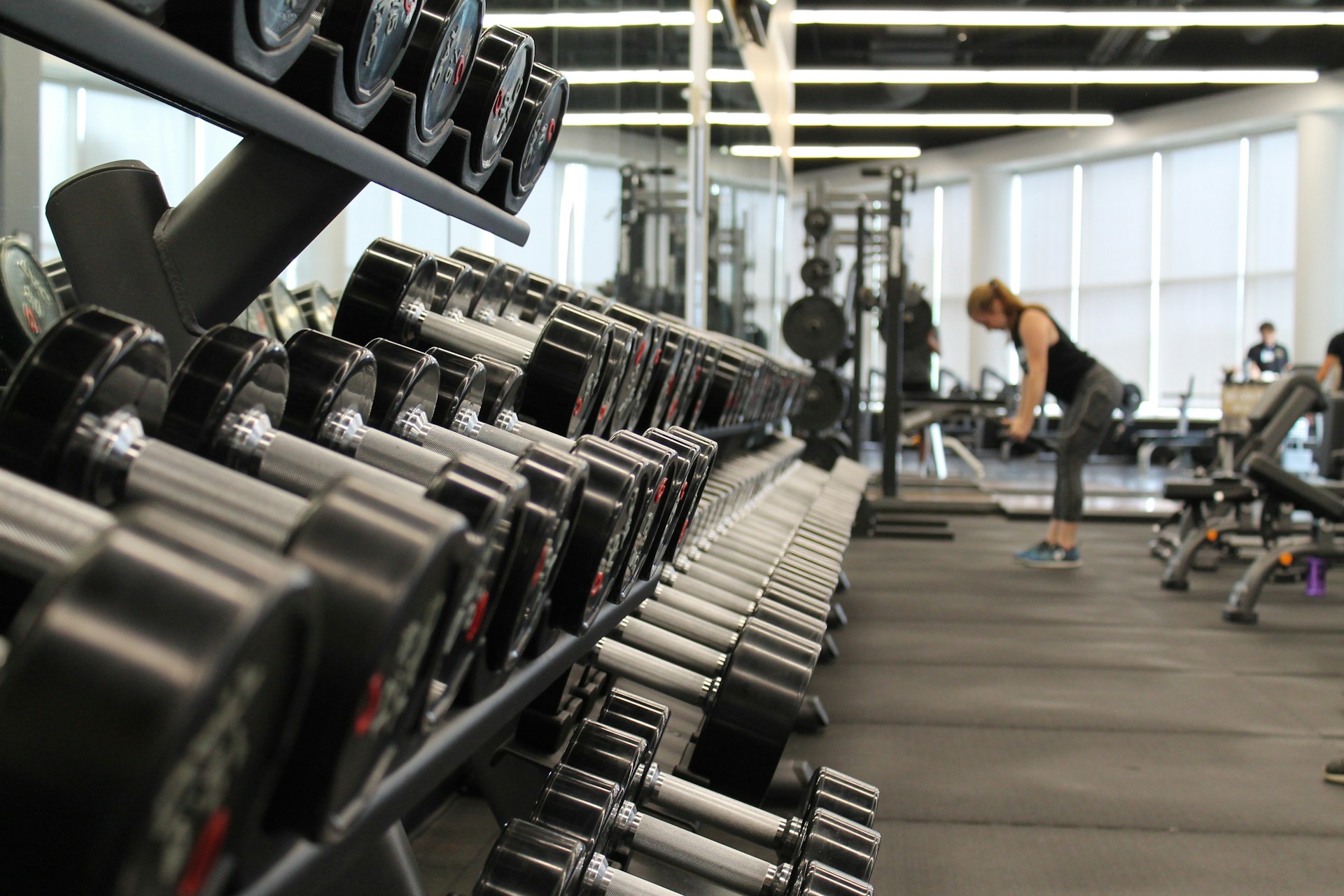
How to Use Lifting Straps Correctly
Most grip failures with straps come from incorrect setup, not strap quality. Here is the correct lasso strap technique:
The most common mistake: wrapping too loosely, which allows the strap to rotate under load and creates a pressure point on one side of the wrist.
When to Use Straps — and When Not To
Use straps for:
- Top sets of deadlifts at 85% or more of 1RM
- Heavy barbell and dumbbell rows
- Romanian deadlifts and rack pulls
- Any pulling movement where grip fails before the target muscle
Skip straps for:
- Warm-up sets and sub-maximal work — build grip strength without them
- Olympic lifts such as cleans and snatches — you need to release the bar quickly
- Any set where you are specifically training grip as the target
A useful rule of thumb: perform your first two sets without straps, add straps for the remaining sets. This preserves grip development while letting you maximize volume on the target muscles.
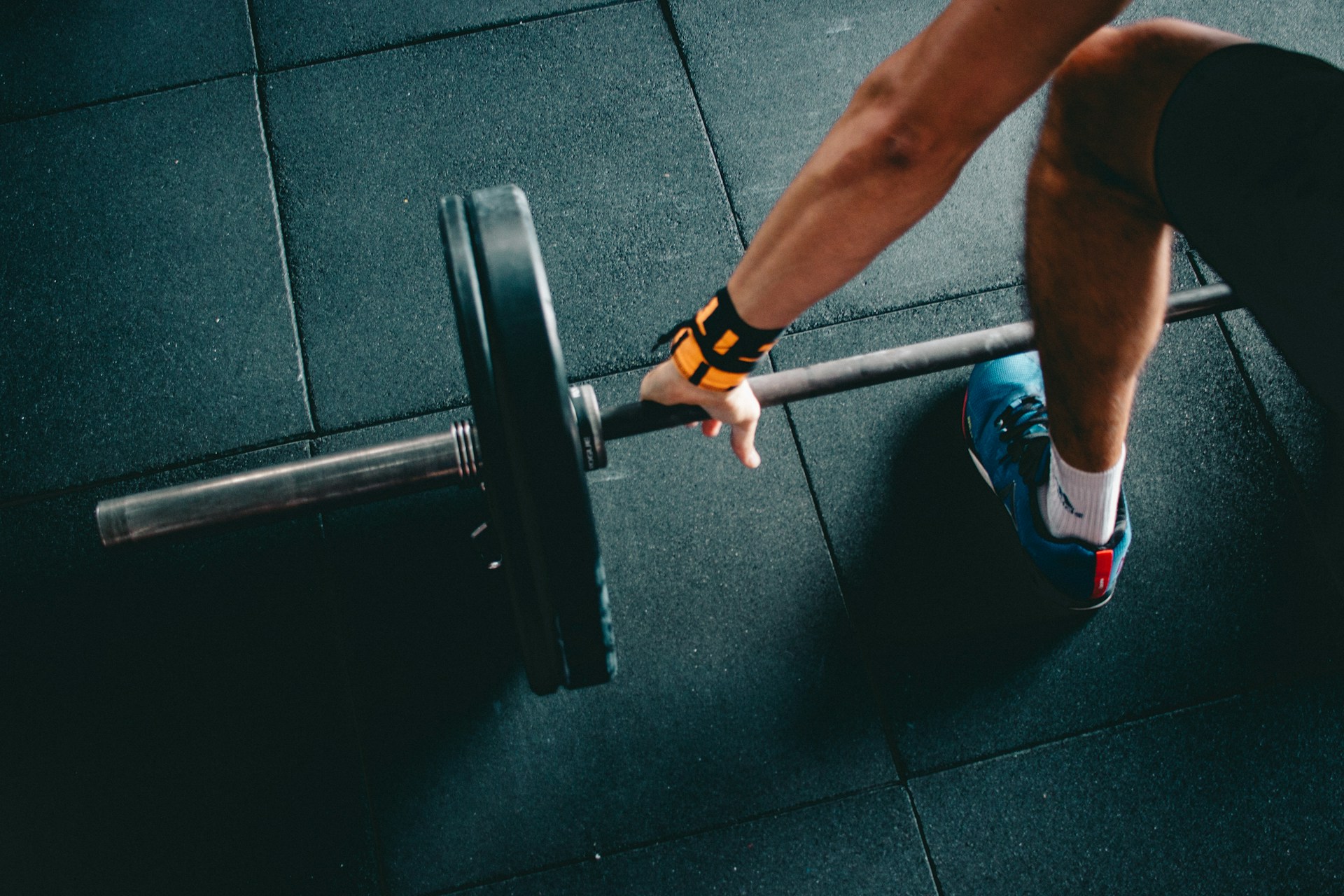
Straps vs. Hook Grip vs. Chalk
Chalk reduces moisture and increases friction between skin and bar. It improves grip but does not eliminate grip as a limiter at maximal loads. Best for moderate weights or lifters building grip strength.
Hook grip — thumb under fingers on the bar — is used by Olympic weightlifters and some powerlifters. It is extremely secure but painful until calluses develop.
Lifting straps remove grip almost entirely from the equation. They are the most effective intervention for training the posterior chain without grip being the limiting factor.
For a complete heavy-pull accessory setup, Tribe Lifting wrist wraps pair well with straps by stabilizing the wrist on pressing movements in the same session, and the Tribe Lifting weight lifting belt adds lumbar stability on max-effort deadlifts.
Caring for Your Lifting Straps
Cotton and nylon straps: machine-wash cold, hang dry. Washing after every 5–10 sessions prevents salt crystallization from sweat, which accelerates fiber breakdown.
Leather straps: wipe down with a damp cloth after use. Apply a small amount of leather conditioner every 1–2 months. Store away from direct heat.
Related Reading
Building out a complete pulling setup? Our best resistance bands guide covers the top band options for rows and pulls at home. If grip fatigue is affecting your upper body accessory work, our pull day workout routine guide covers how to structure pulling volume across the week. For wrist support on push days, see our best wrist wraps guide.
---
Frequently Asked Questions
Do lifting straps make your grip weaker over time?
No — if you use them strategically. Performing warm-up sets and moderate-weight work without straps maintains grip strength development. The research is consistent: grip strength is a use-it-or-lose-it quality, so keep training it on your non-strapped sets (NIH / PubMed, grip training review).
Are lifting straps allowed in powerlifting competitions?
It depends on the federation. Most raw powerlifting federations (USAPL, IPF) prohibit straps in competition but allow them in training. Equipped divisions and some strongman competitions permit them. Always check your specific federation's rulebook before a meet.
What is the difference between lasso straps and figure-8 straps?
Lasso straps wrap around the bar and can be released mid-set. Figure-8 straps lock your hand to the bar during the set. Figure-8 straps are used almost exclusively for maximal deadlift singles. For general training, lasso straps are safer and more versatile.
How many wraps around the bar should I use?
One to two wraps is sufficient for most lifters. Three wraps provides maximum security for near-maximal loads. More than three wraps typically means the strap is too long for your bar diameter.
Can I use lifting straps for dumbbell exercises?
Yes. Straps work on any implement that can be wrapped — dumbbells, barbells, trap bars, cable attachment handles, and pull-up bars. The setup technique is the same; you may need fewer wraps on smaller-diameter dumbbell handles.
When should a beginner start using lifting straps?
When grip becomes the limiting factor before the target muscles fatigue. Before that point, training without straps builds grip strength that will serve you for years. There is no rush; introducing straps too early can slow grip development during a critical phase.


