
Home Gym Equipment Regrets: Why Most Buyers Get It Wrong
Building a home gym is exciting — until you realize half your purchases are collecting dust. According to a survey by the International Health, Racquet & Sportsclub Association (IHRSA), over 60% of home gym owners admit to regretting at least one major equipment purchase. The pattern is predictable: people buy what looks impressive rather than what actually delivers results.
This guide breaks down the most common home gym equipment regrets and offers smarter, research-backed alternatives that will save you money, space, and frustration.
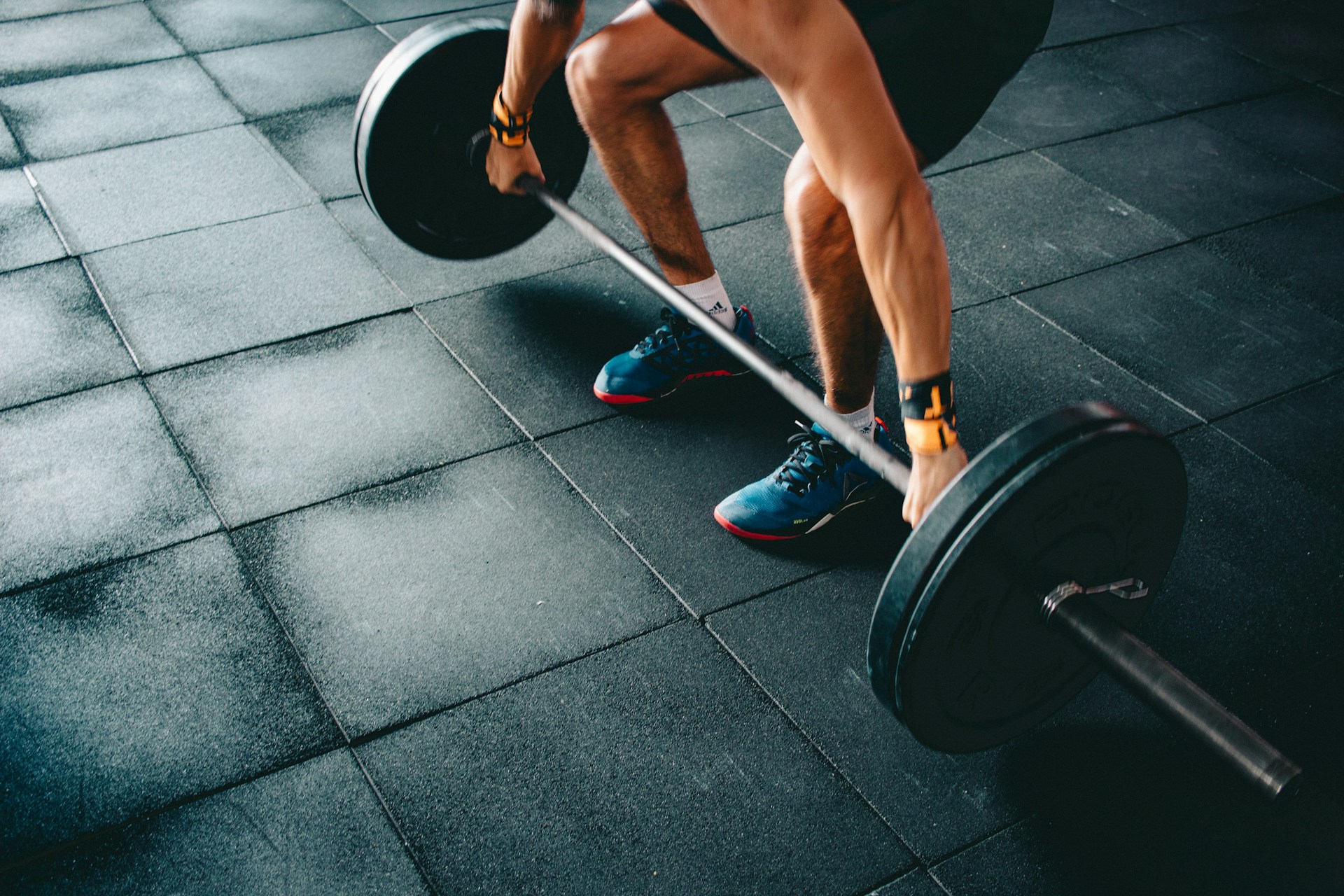
The Biggest Home Gym Equipment Regrets
1. The All-in-One Smith Machine That Becomes a Clothes Rack
Smith machines are the number one home gym regret. They cost $800 to $3,000, weigh 300+ pounds, take up an entire room corner, and lock you into a fixed bar path that a study from the Journal of Strength and Conditioning Research found produces less muscle activation in stabilizer muscles compared to free movement patterns.
Why people buy it: It looks like a "real gym" setup.
Why they regret it: The fixed path feels unnatural, it takes up massive floor space, and most home lifters end up using only the pull-up bar attachment.
2. The Bulky Treadmill Nobody Uses After January
Treadmills account for the highest percentage of unused home gym equipment. A report from the American College of Sports Medicine (ACSM) notes that cardio equipment adherence drops by 40% after the first three months of purchase. That $1,500 treadmill becomes a $1,500 shelf.
Why people buy it: "I'll run every morning."
Why they regret it: Running on a treadmill is monotonous, the machine is enormous, and outdoor walking or running is free.
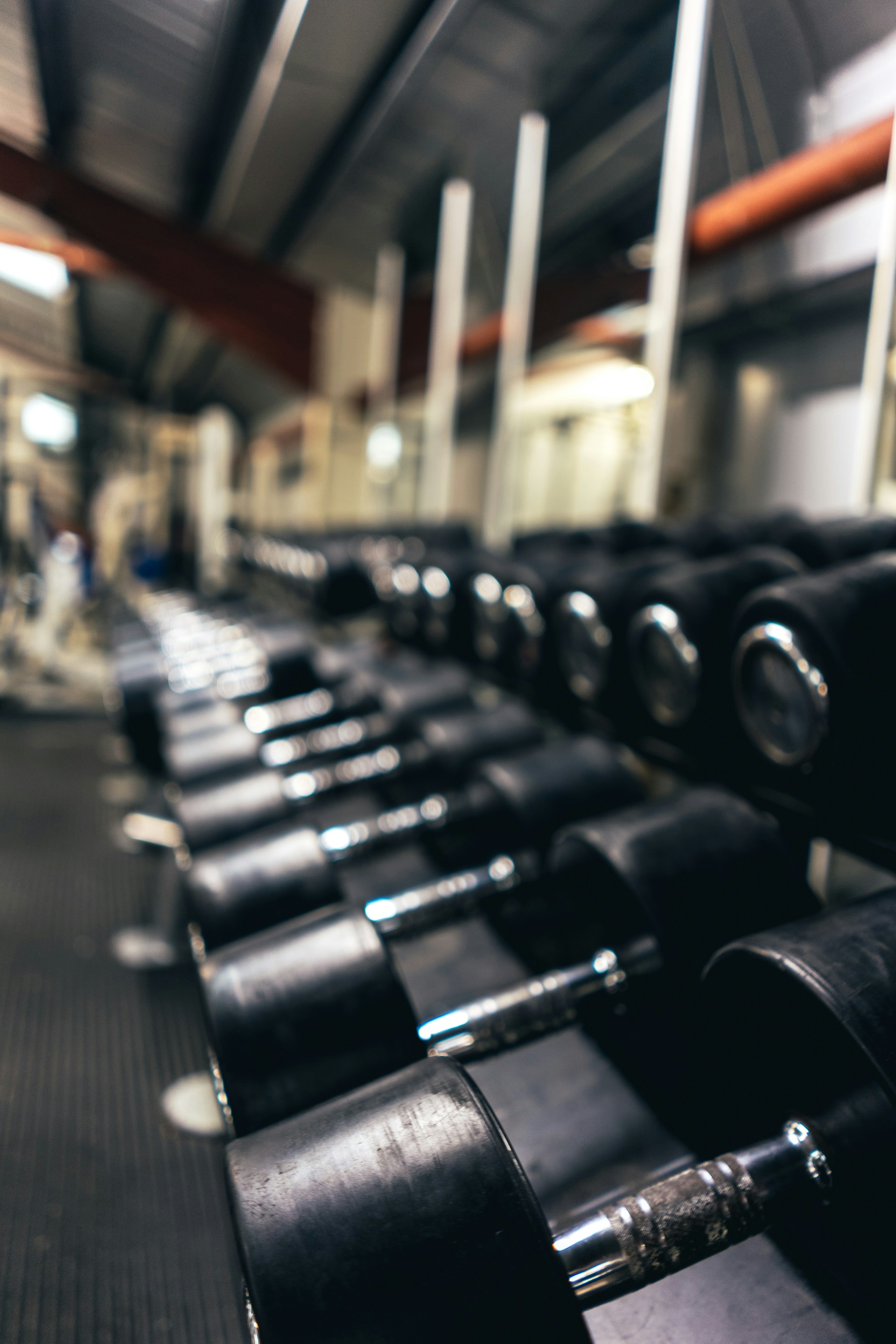
3. Fixed-Weight Dumbbell Sets That Don't Scale
Buying a full rack of fixed dumbbells (5 lbs to 50 lbs) costs $500 to $1,200 and takes up a wall of space. The problem? You outgrow the light weights within weeks and the heavy ones sit unused until you're strong enough. You end up using maybe four pairs regularly.
Why people buy it: The aesthetic of a full dumbbell rack.
Why they regret it: Poor cost-per-use ratio and massive space requirements.
4. Single-Purpose Ab Machines
Ab rollers, ab cradles, ab loungers — the infomercial graveyard of home gyms. Research published in the Journal of Orthopaedic & Sports Physical Therapy has repeatedly shown that compound movements and anti-rotation exercises produce superior core activation compared to isolation ab machines.
Why people buy it: "I want a six-pack."
Why they regret it: Visible abs come from body fat reduction, not a $79 gadget. These devices collect dust within weeks.
5. Cheap Resistance Bands That Snap and Roll
Not all resistance bands are created equal. Budget latex bands from no-name brands are one of the sneakier home gym equipment regrets. They roll up your legs during lower body work, lose elasticity within weeks, and — most dangerously — snap during use. A snapped band under tension can cause genuine injury.
Why people buy it: "Bands are bands, why pay more?"
Why they regret it: Inconsistent resistance, discomfort, and safety concerns.
What to Get Instead: Smarter Home Gym Alternatives
Now that we've covered the regrets, here's what actually works — based on exercise science, space efficiency, and long-term adherence.
Instead of a Smith Machine: A Quality Resistance Band System
A comprehensive resistance band set replaces cables, machines, and even many barbell exercises. The Tribe Lifting Resistance Bands Set includes multiple resistance levels, comfortable handles, a door anchor, and an exercise bar — giving you a full cable station equivalent for a fraction of the cost and zero floor space.
For those who want even more of a barbell feel, the Tribe Lifting Resistance Bands with Bar replicates squats, deadlifts, overhead presses, and rows with the added benefit of variable resistance. A 2019 meta-analysis in SAGE Open Medicine confirmed that elastic resistance training produces comparable strength and hypertrophy gains to conventional weight training.
If you want to understand the science behind bands versus traditional weights in more detail, our breakdown on resistance bands vs free weights for muscle building covers the full research.
Instead of a Treadmill: Outdoor Movement and Band Circuits
The best cardio machine is the one you already own — your body. High-intensity resistance band circuits elevate your heart rate just as effectively as steady-state treadmill walking, with the added benefit of building muscle simultaneously. Pair band circuits with outdoor walks and you have a complete cardio solution that costs nothing in floor space.
Check out our complete home gym resistance bands guide for programming ideas that combine strength and conditioning.
Instead of a Full Dumbbell Rack: Fabric Loop Bands and a Single Pair of Adjustable Dumbbells
If you must have dumbbells, one adjustable pair covers every weight range. Complement them with the Tribe Lifting Fabric Resistance Bands 5-pack for all your warm-up, activation, and accessory work. These fabric bands won't roll, snap, or lose tension like cheap latex alternatives — and with over 500,000 sets sold, they've been battle-tested by serious lifters.
The fabric construction grips your skin without sliding, making them vastly superior for glute bridges, lateral walks, and banded squats. For exercises that address common desk worker issues, see our guide on resistance band exercises to fix desk posture.
Instead of Ab Machines: Bands for Core Training
Replace every ab gadget with a single resistance band. Pallof presses, banded dead bugs, and woodchops with bands create anti-rotation and anti-extension demands that activate deep core muscles far more effectively than any crunch machine. These exercises align with the progressive overload principle — simply use a thicker band or step further from the anchor point as you get stronger.
Instead of Cheap Bands: Invest in Quality
This is the simplest swap. Replace no-name latex bands with fabric or layered-latex bands from reputable brands. The Tribe Lifting Fabric Resistance Bands use a woven fabric construction that eliminates rolling and extends product lifespan significantly. For heavier resistance needs, the Tribe Lifting Weight Lifting Belt pairs well with band training to provide core stability during heavy banded squats and deadlifts.
How to Avoid Home Gym Equipment Regrets: A Decision Framework
Before buying any piece of equipment, run it through these five filters:
Resistance bands pass all five filters. A treadmill fails three of them.
The Minimalist Home Gym That Actually Works
Here is the complete home gym setup that covers every movement pattern, fits in a closet, and costs under $150:
- Fabric loop bands (set of 5): Lower body, activation, warm-ups
- Resistance tube band set with handles and door anchor: Upper body pulling and pressing, cable exercise replacements
- Resistance bands with bar: Compound movements — squats, deadlifts, overhead press
- A pull-up bar (doorframe mount): Upper body vertical pulling
That's it. Four items. Total footprint: a single drawer. Total cost: roughly the price of two months at a commercial gym.
Frequently Asked Questions
What is the most regretted home gym purchase?
Treadmills and all-in-one Smith machines consistently rank as the most regretted home gym purchases. Both are expensive, take up significant space, and have very low long-term usage rates. Studies from the ACSM show that cardio equipment adherence drops dramatically after the first 90 days.
Are resistance bands a good replacement for home gym machines?
Yes. Research published in SAGE Open Medicine found that elastic resistance training produces comparable muscle activation and strength gains to conventional machine-based training. Bands also offer variable resistance, which increases tension at the strongest point of each movement — something most machines cannot replicate.
How much should I spend on a home gym to avoid regrets?
You can build an effective, research-backed home gym for under $150 by focusing on resistance bands, a door anchor, and a doorframe pull-up bar. The key is investing in versatile, scalable equipment rather than single-purpose machines. Quality resistance bands with handles and multiple resistance levels cover the vast majority of training needs.
What home gym equipment is actually worth buying?
The highest-value home gym purchases are adjustable resistance tools: resistance band sets, adjustable dumbbells, and pull-up bars. These items have the best cost-per-use ratio, take minimal space, and support progressive overload across hundreds of exercises.
Can you build muscle with just resistance bands at home?
Absolutely. Multiple peer-reviewed studies have confirmed that resistance bands produce similar hypertrophy outcomes to free weights when training volume and effort are equated. The key is using bands with sufficient resistance and applying progressive overload principles — increasing band thickness, adding bands together, or manipulating tempo and time under tension. For more on this, see our guide on best recovery techniques for sore muscles to support your training.


