
Bodyweight Training for One Year: What to Expect and How to Break Through Plateaus
Commit to bodyweight training for a year and you will get stronger, leaner, and more mobile — that much is settled science. What most guides don't tell you is that progress is wildly uneven across that year. The first three months feel almost magical. Then reality sets in.
Understanding exactly what happens across 12 months of bodyweight training — week by week, phase by phase — is the difference between people who stick with it and people who quit frustrated when progress stalls.
This guide maps the full year, explains the biology behind every plateau, and gives you the most evidence-backed strategies for breaking through each one.
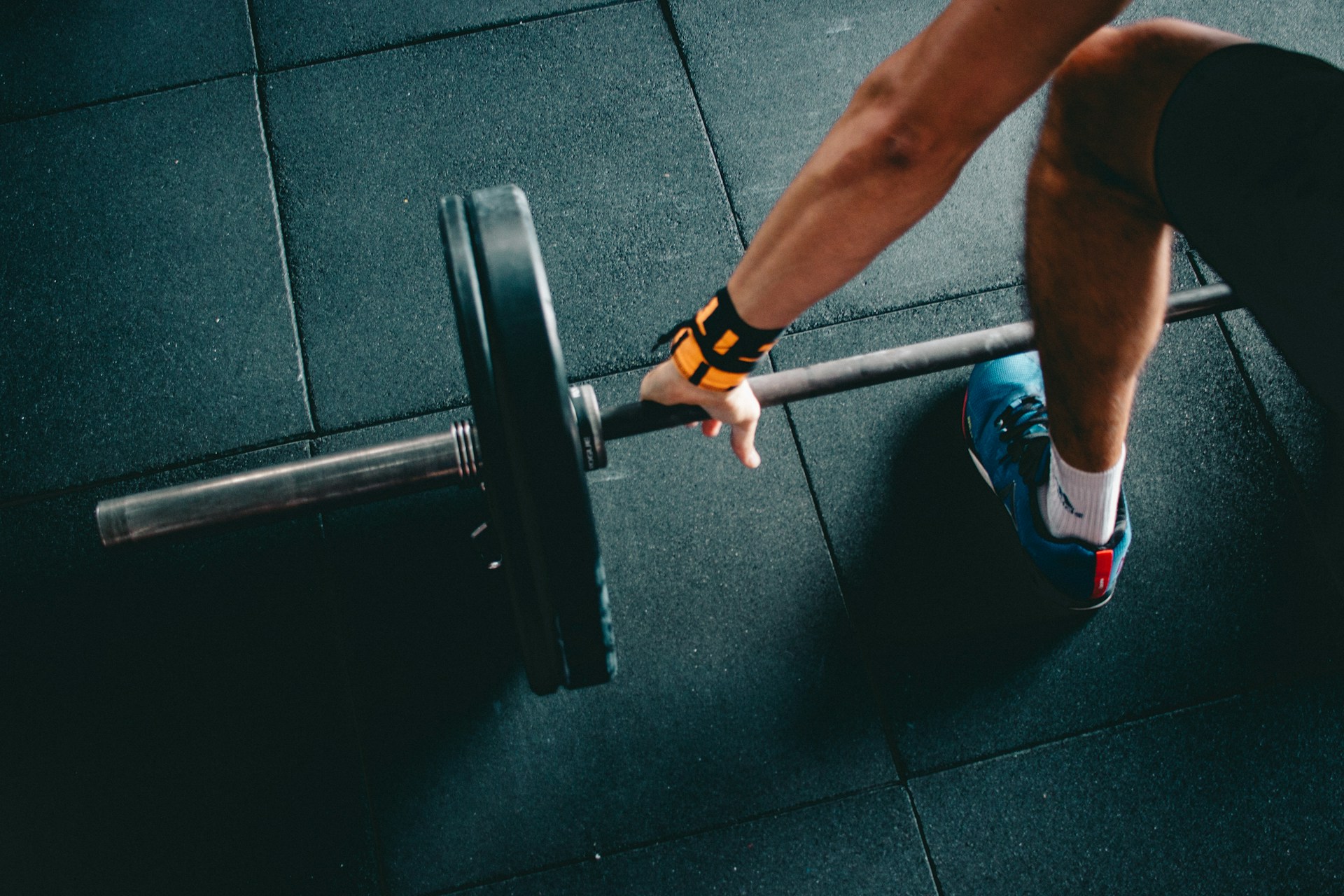
Months 1–3: The Honeymoon Phase (And Why It Ends)
If you're new to bodyweight training, the first 8–12 weeks will feel like cheating. You'll add reps every session, move better, look better, and feel better — all at the same time.
This isn't magic. It's neuromuscular adaptation.
A landmark study in the Journal of Applied Physiology demonstrated that early strength gains in untrained individuals are primarily driven by improved motor unit recruitment, not actual muscle growth (Moritani & deVries, 1979). Your nervous system learns to activate more muscle fibers with each contraction, coordinate movement patterns, and reduce inhibitory reflexes that previously limited force output.
What you can expect in months 1–3:
- Push-up progression from 5 reps to 20+ reps for most people
- Noticeable improvement in squat depth, shoulder mobility, and hip flexor length
- Reduced soreness as the repeated bout effect kicks in (NIH, Muscle Damage and Recovery)
- Visible improvements in body composition — often 4–8 lbs of fat loss if diet is reasonable
Then, around week 10–14, something shifts. Your sets don't grow. You're doing the same number of push-ups you were three weeks ago. The scale stops moving. This is your first plateau — and it's completely normal.
Why the First Plateau Hits (The Neurological Ceiling)
Once your nervous system has optimized its recruitment patterns, the primary driver of continued strength gain shifts: you now need actual muscle hypertrophy to get stronger. And hypertrophy requires progressive overload — consistently making the workout harder.
This is where bodyweight training's biggest structural challenge appears. The most natural way to progressively overload is to add weight. Without external load, you have to get creative.
The Mayo Clinic's exercise science team notes that progressive overload is the foundational principle behind all strength adaptation, and that failing to progressively increase mechanical tension is the most common reason training plateaus occur (Mayo Clinic, Strength Training).
The three mechanisms you have in bodyweight training:
Most plateaus in months 3–6 are caused by failing to use all three mechanisms systematically.
Months 4–6: The Adaptation Wall
This is where the majority of bodyweight trainees either figure it out or quit.
The adaptation wall is real. A 2021 meta-analysis published in Sports Medicine found that bodyweight-only training is highly effective for building strength and hypertrophy in untrained individuals, but that continued gains require either exercise progression (harder variations) or added resistance — the same stimulus repeatedly produces diminishing returns (Calatayud et al., 2021).
If you've been doing standard push-ups, pull-ups, squats, and lunges without modification since month one, you've likely exhausted that stimulus.
Signs you've hit the adaptation wall:
- You can perform 3+ sets of 20 push-ups with full control — the movement feels easy
- You're completing squats and lunges without any muscular fatigue
- Soreness has essentially disappeared — even after hard sessions
- You haven't added reps, sets, or exercise difficulty in 3+ weeks
The fix is systematic exercise progression. Here's what that looks like for the three main movement patterns:
Push-Up Progression Ladder
Standard → Feet Elevated (30°) → Feet Elevated (45°) → Pike Push-Up → Decline Push-Up → Archer Push-Up → Pseudo Planche Push-Up → One-Arm Push-Up Progression
Squat Progression Ladder
Bodyweight Squat → Pause Squat (3 sec) → Bulgarian Split Squat → Shrimp Squat → Pistol Squat Negative → Full Pistol Squat
Pull-Up Progression Ladder
Band-Assisted Pull-Up → Jumping Pull-Up with Slow Negative → Full Pull-Up → Chest-to-Bar Pull-Up → Weighted Pull-Up → L-Sit Pull-Up
If you're serious about progressive overload, mapping your exact position on each of these ladders and advancing one step every 2–4 weeks is the framework that carries you through the entire year.
The Role of Resistance Bands in Breaking Bodyweight Plateaus
Here's something many bodyweight purists miss: resistance bands are one of the most effective tools for breaking through bodyweight plateaus, and they don't compromise the spirit of equipment-minimal training.
Bands allow you to:
- Add resistance to push movements — loop a band around your back for banded push-ups; the band increases tension at the top of the rep where push-ups are mechanically easiest
- Add resistance to squat and lunge patterns — a fabric hip band around the thighs increases glute activation during squats, lunges, and bridges by 20–35% (Contreras et al., 2017, Journal of Strength and Conditioning Research)
- Assist harder progressions — a light band under the feet and over the shoulders assists pistol squats; a band looped over a bar assists muscle-up progressions
- Add anti-rotation and lateral movement — Pallof presses, band pull-aparts, and lateral band walks add movement patterns that pure bodyweight training often misses
The Tribe Lifting resistance band set is well suited for this — it includes multiple resistance levels, handles, a door anchor, and a pull-up bar anchor, covering every application above in a single kit. For lower body work specifically, the Tribe Lifting fabric hip bands are purpose-built for glute activation during bodyweight leg movements and are far more comfortable than latex bands for hip work.
For a full breakdown of band options at every budget, see our best resistance bands guide.
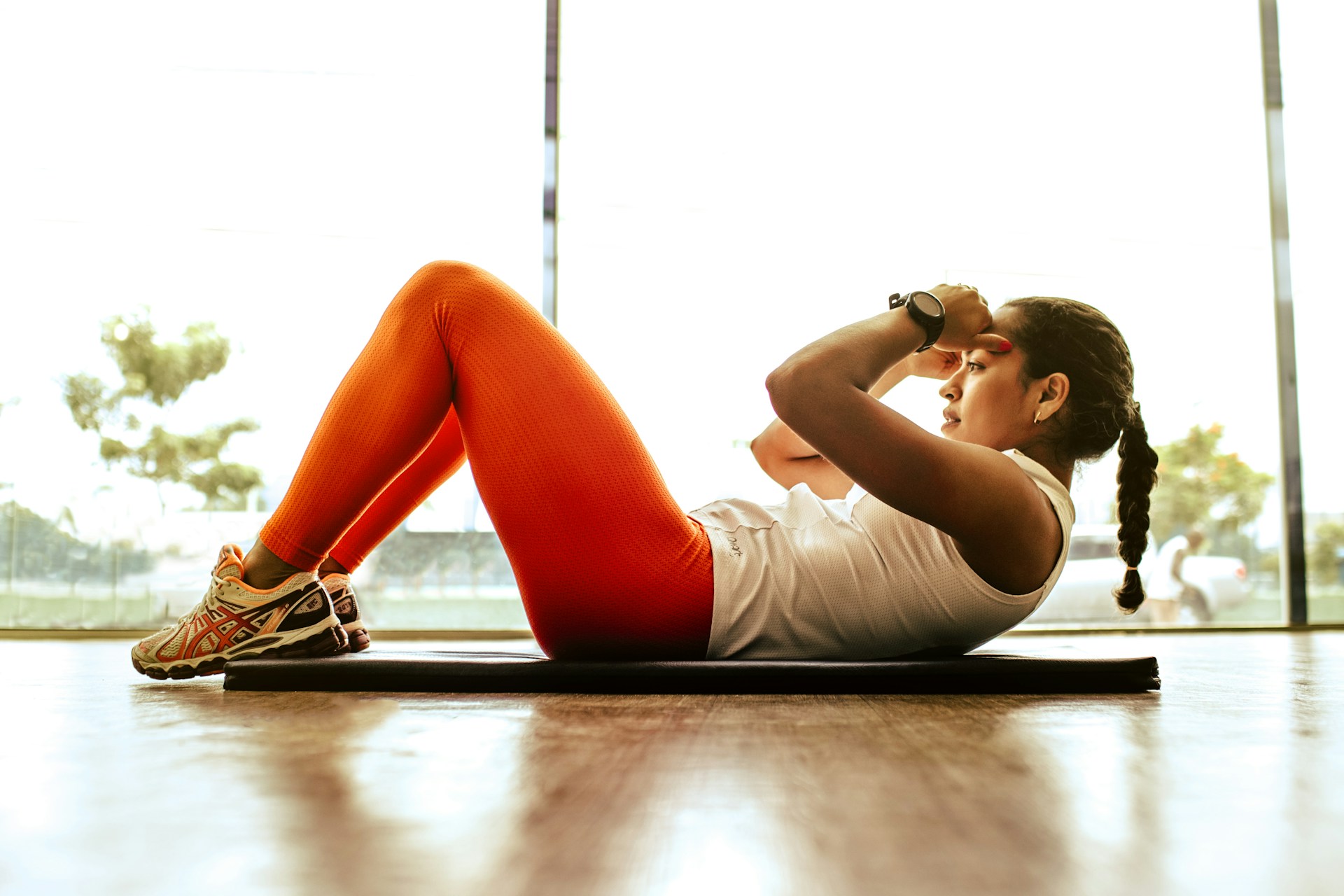
Months 7–9: The Skill Plateau
If you've navigated the adaptation wall successfully, you'll arrive at a new and more interesting challenge: the skill plateau.
Advanced bodyweight movements — pistol squats, archer push-ups, L-sits, handstand progressions — are as much skill as strength. They require motor pattern development, joint-specific strength, and proprioceptive awareness that takes months of deliberate practice.
Research on skill acquisition in motor learning shows that complex movements require 300–500 quality repetitions to become reliably grooved, and that attempting to rush this process by adding volume without attention to form quality slows long-term development (Schmidt & Lee, Motor Control and Learning, 6th ed.).
How to train through the skill plateau:
1. Practice frequency over intensity. Skills are better acquired through frequent short sessions than infrequent long ones. If you're working on pistol squats, practice 5–10 quality reps every day — even on rest days — rather than grinding 5 sets twice a week.
2. Use greasing the groove (GTG). This method involves performing sub-maximal sets of a target skill multiple times throughout the day, never approaching failure. For pull-up goals, this means doing 3–4 reps every time you walk past your pull-up bar, 8–10 times per day. This accumulates 30–40 quality practice reps daily without fatigue impeding technique.
3. Train the weakest link. Most skill failures in bodyweight progressions come from one limiting factor. For pistol squats, it's often ankle dorsiflexion or hip flexor strength. For handstands, it's often scapular control. Identify and directly address your specific limiter.
Months 10–12: Consolidation and Planning the Next Year
By months 10–12, trainees who've navigated the earlier plateaus often find themselves stronger and more capable than many people who train with barbells — at least in relative terms.
A 2020 study in the European Journal of Sport Science found that 12 months of progressive calisthenics training produced upper body strength gains comparable to traditional resistance training in untrained to intermediate individuals, particularly in push and pull strength (Calatayud et al., 2020).
But the ceiling of pure bodyweight training does eventually appear for most people, especially for lower body strength. Squats and lunges with bodyweight load simply cannot replicate the stimulus of barbell squats for building maximal leg strength after a certain point.
This is the natural moment to consider hybrid training — combining your bodyweight skill base with strategic resistance training. Your year of calisthenics will have built tendon resilience, motor control, and body awareness that makes the transition to loaded resistance training significantly safer and more productive.
The Year-at-a-Glance Framework
| Phase | Months | Primary Driver | Main Plateau Risk | Solution |
|-------|--------|---------------|------------------|----------|
| Honeymoon | 1–3 | Neural adaptation | Complacency | Keep session logs |
| Adaptation Wall | 4–6 | Hypertrophy required | Same exercises | Advance progressions + add bands |
| Skill Development | 7–9 | Motor learning | Impatience | Practice frequency, GTG |
| Consolidation | 10–12 | Strength ceiling | Boredom | Hybrid transition planning |
Programming Principles That Carry You Through All 12 Months
1. Log every session. You cannot manage what you don't measure. Record sets, reps, exercise variation, and rate of perceived exertion for every workout. Plateaus often appear invisible until you look at the data and realize you haven't added reps in six weeks.
2. Use the 2-for-2 rule. When you can complete 2 extra reps on the last set for 2 consecutive sessions, advance the exercise. This simple rule automatically governs your progression without overthinking.
3. Prioritize sleep. A study from the University of Chicago published in Annals of Internal Medicine found that sleep restriction significantly impaired muscle recovery and cut fat loss in half even with identical caloric deficits (Nedeltcheva et al., 2010). No programming detail matters more than sleeping 7–9 hours.
4. Eat to support adaptation. Without adequate protein — 1.6–2.2g per kg of bodyweight per day — your body cannot synthesize new muscle tissue regardless of training stimulus (NIH, Protein and Muscle).
5. Deload every 4–6 weeks. A planned deload — reducing volume by 40–50% for one week — allows connective tissue to recover and prevents the cumulative fatigue that masks fitness gains.

What Results Actually Look Like After 12 Months
Strength:
- Push-up max: 5–8 reps at start → 30–50+ reps of standard, or 10–15 reps of an advanced variation
- Pull-up max: 0–3 reps → 10–15 reps, or 5–8 reps weighted
- Squat: bodyweight squat → single-leg pistol squat progression reached
Body composition:
- Consistent trainees with controlled nutrition typically lose 10–20 lbs of fat over 12 months while gaining 5–10 lbs of lean muscle, according to a 2019 analysis in Obesity Reviews on exercise-induced body composition changes (Clark, 2019)
What it won't do: Build maximal lower body mass comparable to heavy barbell training. For serious leg development after year one, some form of external loading becomes necessary.
FAQ
How many days a week should I train bodyweight for the best results?
Research supports 3–4 days per week for most trainees. A 2017 meta-analysis in the Journal of Strength and Conditioning Research found that training each muscle group 2x per week produces significantly greater hypertrophy than 1x per week (Schoenfeld et al., 2017). Three to four days allows you to hit each pattern twice weekly while allowing adequate recovery.
Can I build a good physique with only bodyweight training?
Yes — with caveats. Upper body and core development through bodyweight training is highly effective. Lower body development is possible but becomes limited beyond intermediate level without external load. Most serious calisthenics athletes incorporate weighted vests, rings, or resistance bands to continue lower body progression.
What should I eat to support a year of bodyweight training?
Aim for 1.6–2.2g of protein per kilogram of bodyweight daily, adequate calories to support your training, and prioritize whole foods for micronutrient density. Creatine monohydrate is the single most evidence-supported supplement for supporting strength gains and recovery.
How do I know if I have hit a plateau vs. just having an off week?
A plateau is defined as no measurable progress — in reps, sets, or exercise variation — for 3+ consecutive weeks under consistent training and recovery conditions. One or two bad sessions after poor sleep or high stress are not a plateau. Track your training log and look at 3-week trends, not individual sessions.
When should I add resistance bands to bodyweight training?
As soon as you can complete 20+ reps of standard push-ups with perfect form, and 10+ bodyweight squats with no fatigue. At that point, adding band resistance to push patterns and fabric hip bands to lower body work extends your progressive overload timeline significantly before you need to advance to more complex exercise variations.
Is it normal to get weaker during certain weeks of a bodyweight program?
Yes. Accumulated fatigue, illness, poor sleep, or high life stress temporarily reduce performance. This is normal and expected. The solution is not more volume — it's a strategic deload week. Trust the process and look at monthly trends, not weekly fluctuations.


